

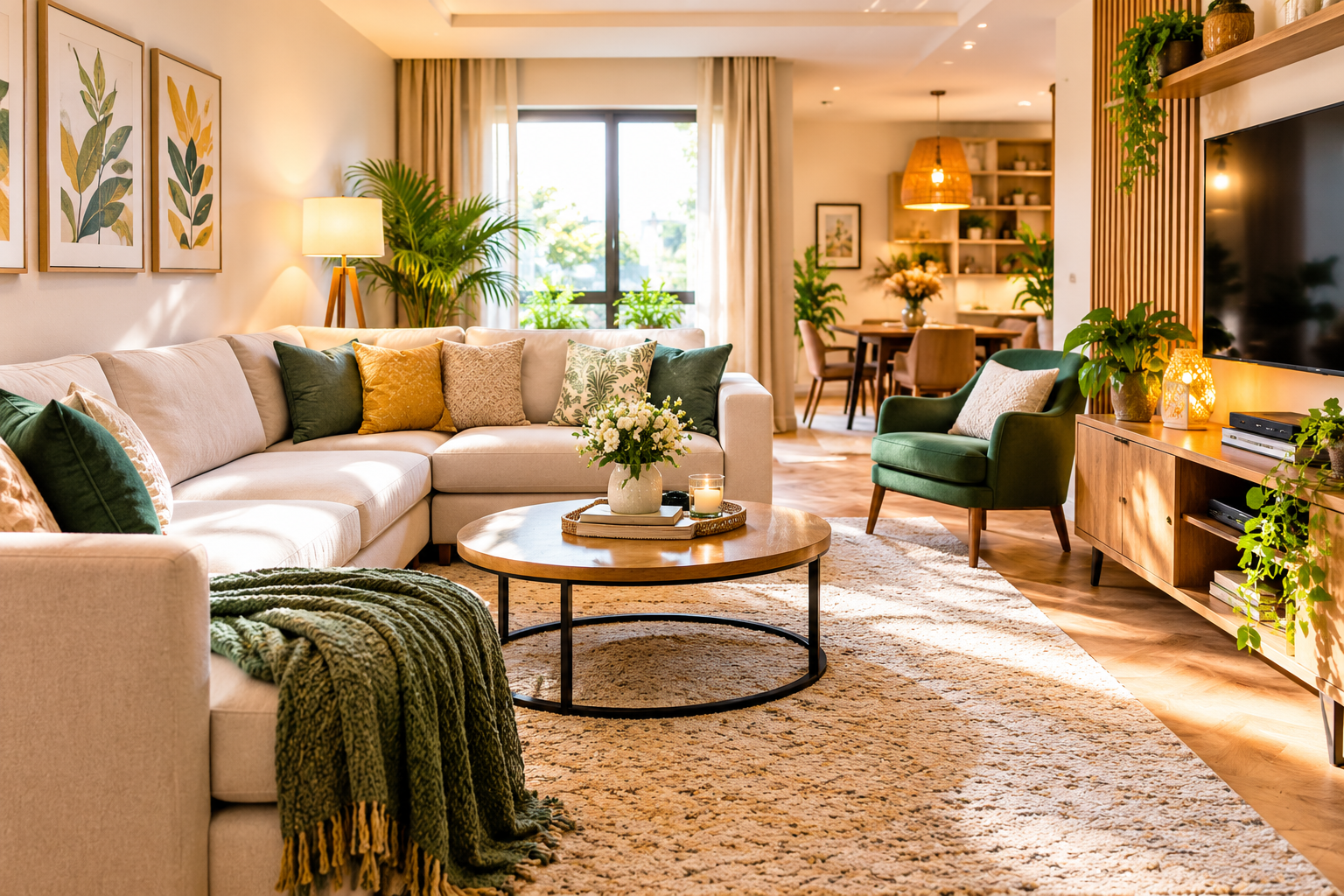
A well-designed home is more than just a collection of stylish furniture and decorations. It is a sanctuary that reflects your personality, supports your daily routine, and makes you feel instantly relaxed the moment you walk through the door. Whether you are decorating a brand-new house, renovating an urban apartment, or refreshing a single room, thoughtful Interior Design DrHomey concepts can help you achieve remarkable results without unnecessary stress or expense.
From choosing the perfect color palette and selecting comfortable furniture to optimizing lighting and smart organization, a successful design strategy seamlessly blends aesthetic appeal with everyday functionality.
What Makes a Good Interior Design?
Good interior design is not about purchasing the most expensive luxury items or blindly following every seasonal trend. Instead, it revolves around creating visual balance, comfort, and harmony between the elements of a room.
A thoughtful design carefully balances the following elements:
- Color and texture: Harmonizing tones and tactile materials to create depth.
- Furniture placement: Ensuring clean walkways and comfortable conversation areas.
- Lighting layers: Combining natural daylight with task and mood lighting.
- Room proportions: Choosing furniture scaled correctly for the physical dimensions of the space.
- Smart storage: Keeping everyday items organized to prevent visual clutter.
- Personal touches: Displaying meaningful art, travel souvenirs, or family heirlooms.
When these elements work in sync, a home feels intentional, comfortable, and balanced rather than overcrowded.
Start With Your Space and Layout
Before making any purchases, take time to understand the physical architecture of your room. Measure the walls, window heights, door swings, and available floor area. This straightforward step prevents costly mistakes, such as buying a sofa that blocks a entryway or a dining table that crowds the room.
Consider how the room will function on a daily basis:
- Living Rooms: Require open pathways, resilient fabrics, and flexible seating arrangements (like an L-shaped sectional or a pair of accent chairs).
- Home Offices: Depend on an ergonomic desk, direct task lighting, and clutter-free wall shelving.
- Bedrooms: Benefit from soft textures, calming wall shades, and clear walking paths on both sides of the bed.
Creating a basic floor plan on paper or using a digital app allows you to experiment with different layouts before moving heavy furniture around.
Master the Art of Color and Texture
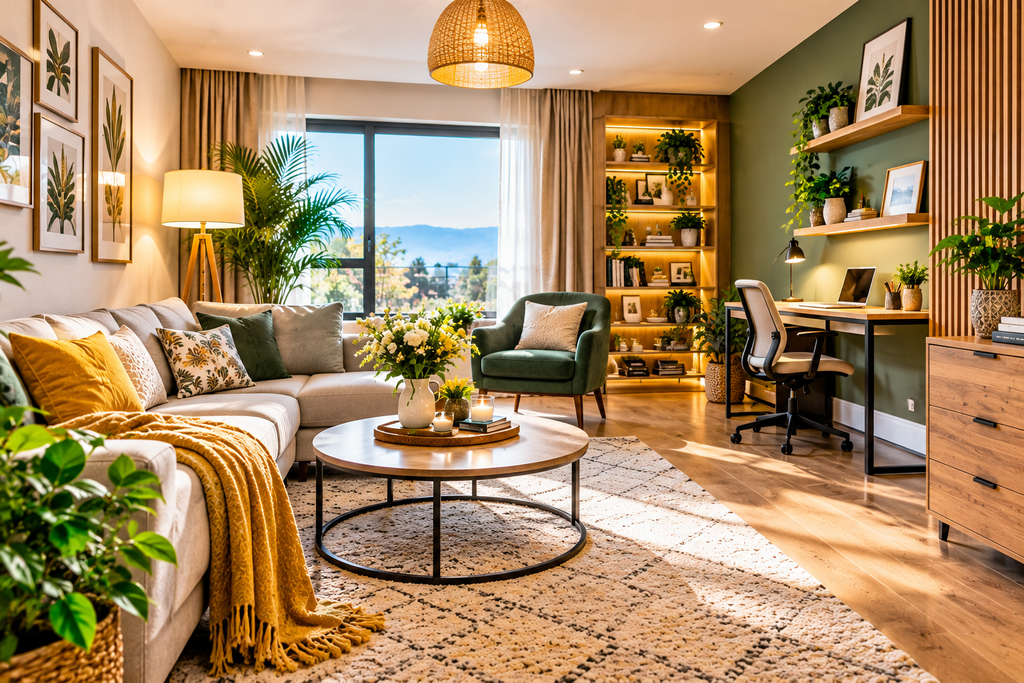
Color strongly influences mood, spatial perception, and energy levels. Light, neutral tones—such as off-white, soft gray, or beige—can make compact rooms feel expansive and airy. Deeper tones—such as navy, charcoal, or forest green—add intimacy and warmth to larger spaces.
A time-tested approach is the 60-30-10 Rule:
- 60% Dominant Color: Used for walls, large area rugs, or primary upholstered pieces.
- 30% Secondary Color: Applied to curtains, accent chairs, or bedding to create contrast.
- 10% Accent Color: Reserved for cushions, artwork, throw blankets, or decorative ceramics.
To elevate your color palette, weave in rich textures. Combining natural oak wood, brushed brass hardware, soft linen curtains, woven wool rugs, and matte ceramics prevents a neutral room from feeling flat or sterile. Incorporating Interior Design DrHomey principles encourages experimenting with complementary shades and tactile contrast to make every room feel inviting.
Furniture: Prioritize Comfort and Scale
Furniture should look appealing, but comfort, durability, and proportion must remain your main priorities.
Always select pieces that fit the true scale of your room. An oversized plush sofa will overwhelm a small studio apartment, while delicate, leggy chairs might get lost in an expansive open-plan living room.
Key Furniture Arrangement Tips:
- Leave Breathing Room: Keep at least 30 to 36 inches of clear walking space along main pathways.
- Pull Furniture Off Walls: Avoid pushing every couch directly against the wall. Floating a sofa slightly inward creates a cozier, more intimate conversational area.
- Define Activity Zones: In large or multi-purpose rooms, use area rugs or lighting placement to clearly separate reading nooks, TV viewing areas, and dining spaces.
Make Lighting Work for You
Lighting can transform the atmosphere of a room faster than almost any other design element. Relying on a single bright overhead light often leads to harsh shadows and a cold, sterile feel.
To build a warm and functional environment, layer three types of lighting:
- Ambient Lighting: General illumination provided by flush-mount ceiling fixtures, recessed lights, or large floor lamps.
- Task Lighting: Focused lighting tailored for specific activities, such as an adjustable desk lamp, under-cabinet kitchen LED strips, or a bedside reading sconce.
- Accent Lighting: Directional lighting used to highlight architectural features, artwork, or indoor plants.
Whenever possible, maximize natural daylight. Keep window sills uncluttered and opt for sheer linen curtains that soften sunlight while maintaining privacy.
Smart Storage for a Clutter-Free Home
No matter how beautiful your decor is, excessive clutter will instantly diminish the beauty of your home. Incorporating clever, hidden storage solutions keeps your living environment organized and serene.
Consider multi-functional furniture, such as:
- Storage Ottomans: Perfect for stowing extra blankets, games, or living room accessories.
- Lift-Up Storage Beds: Ideal for seasonal clothing, extra linens, or luggage in smaller bedrooms.
- Vertical Wall Shelving: Utilizes unused wall height without taking up precious floor space.
A useful organization rule is to keep daily essentials at waist-to-eye level in accessible cabinets, while storing seasonal or infrequently used items on higher shelves or tucked away in closed bins.
Interior Design for Small Spaces
Small rooms present unique challenges, but limited square footage does not mean sacrificing style. With clever strategies, compact rooms can feel open, cozy, and highly efficient.
- Use Mirrors: Place large floor or wall mirrors opposite windows to reflect light and visually double the depth of the room.
- Choose Raised Furniture: Sofas, armchairs, and sideboards with exposed legs create sightlines underneath, making the floor area feel larger.
- Opt for Multi-Purpose Pieces: Choose a fold-down wall desk, an extendable dining table, or nesting coffee tables that can be tucked away when not in use.
By focusing on clever space planning and visual lightness, Interior Design DrHomey strategies demonstrate that even small apartments can offer big impact and comfortable living.
Common Interior Design Mistakes to Avoid
Even well-planned decorating projects can fall flat if you overlook key design principles. Keep an eye out for these common missteps:
- Buying Furniture Without Measuring: Always map out dimensions on your floor using painter’s tape first.
- Hanging Artwork Too High: Art should generally be hung at eye level (roughly 57 to 60 inches from the floor to the center of the artwork).
- Choosing Style Over Comfort: A gorgeous chair is useless if no one wants to sit in it for more than five minutes.
- Overcrowding Surfaces: Leave open space on coffee tables, sills, and shelves to give the eye visual breathing room.
- Ignoring Scale and Proportions: Mixing tiny rugs with massive sofas distorts the harmony of a room.
Final Thoughts
Achieving a beautiful home does not require an endless budget or an overnight transformation. By focusing on your daily lifestyle, mastering a balanced color scheme, selecting functional furniture, layering your lighting, and keeping clutter at bay, you can elevate any living space into a welcoming retreat.
Whether you are designing a compact apartment or a spacious family home, applying practical Interior Design DrHomey guidelines allows you to make confident, creative decisions. Ultimately, the best design is one that supports how you truly live—creating a space that is not just picture-perfect, but comfortable, practical, and unmistakably yours.
