

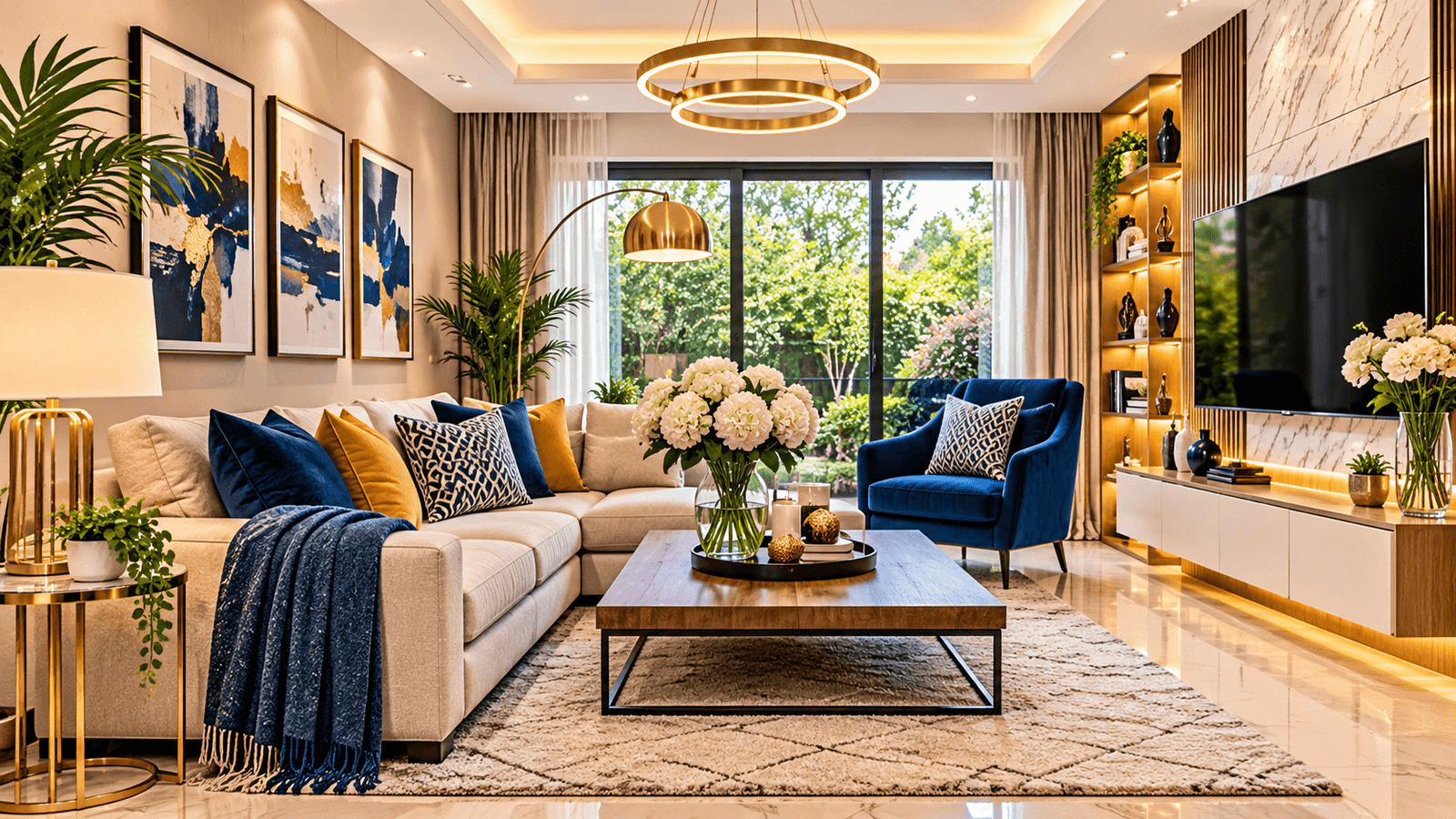
Interior design is much more than choosing attractive furniture, painting walls, or adding decorative accessories. It is the thoughtful process of transforming an ordinary space into an environment that supports everyday activities, improves comfort, and reflects individual preferences. Whether designing a small apartment, a spacious family home, a modern office, or a single room, successful interior design designmode24 requires a balance between creativity, functionality, and careful planning.
A well-designed interior should look appealing while making daily life easier. Furniture should fit the available space, lighting should support different activities, storage should reduce clutter, and colors should create a comfortable atmosphere. Every design decision contributes to how a room looks and feels over time.
This comprehensive guide to interior design designmode24 explores essential principles, practical techniques, material choices, decorating ideas, and modern approaches that help homeowners create attractive and functional interiors. Understanding interior design designmode24 starts with learning how balance, lighting, color, and floor layouts work together naturally. Anyone planning a renovation will find that following interior design designmode24 standards helps organize every room with total confidence.
Fundamentals and Core Principles of Interior Design
Before purchasing furniture or choosing paint colors, it is important to understand the basic principles that make an interior successful. Good design is not simply about combining beautiful objects. It involves organizing different elements so they work together seamlessly.
The Six Essential Design Principles
Several fundamental principles influence the overall appearance and practical comfort of a room:
- Visual Balance: Distributes visual weight throughout a space so that one area does not feel unnecessarily heavy or dominant. Balance can be symmetrical, asymmetrical, or radial depending on the furniture layout.
- Scale and Proportion: Ensures that furniture, art, and decorative objects are appropriately sized for their surroundings and relative to one another.
- Cohesive Harmony: Creates a consistent appearance through coordinated colors, complementary materials, and unified design choices across connecting rooms.
- Dynamic Contrast: Introduces visual interest by combining different textures, lighter and darker shades, opposing shapes, or varied surface finishes.
- Visual Rhythm: Uses repetition, progression, and subtle visual patterns to connect different parts of a room into a continuous theme.
- Focus and Emphasis: Establishes a central focal point, such as an attractive fireplace, statement artwork, architectural feature wall, or large furniture piece.
Applying these core principles ensures that every room feels complete and thoughtfully organized. For example, a living room with a large sofa, a small coffee table, and multiple small accessories may feel unbalanced if the proportions are incorrect. Adjusting furniture sizes and introducing complementary elements improves the entire arrangement. Learning proper interior design designmode24 techniques prevents these common layout errors before you purchase new items.
Planning and Budgeting Your Design Project
Proper planning saves time, reduces unnecessary expenses, and prevents common decorating problems. Before beginning a renovation or redesign, homeowners should evaluate their available space and establish clear priorities.
Measuring and Space Evaluation
Start by measuring the room carefully. Record its length, width, ceiling height, door swings, window locations, and permanent architectural features. These measurements help determine which furniture pieces and decorative elements will fit comfortably without crowding the area.
Next, identify the primary purpose of the room. A home office needs a practical workspace, suitable task lighting, and organized storage. A family living room requires comfortable seating, accessible table surfaces, and enough open space for effortless movement.
Setting a Realistic Project Budget
Creating a structured budget keeps expenses under control. Divide the available funds across practical categories such as essential furniture and upholstery, paint and wall treatments, flooring materials, lighting fixtures, window treatments, built-in storage solutions, decorative accessories, and professional installation services. It is also sensible to reserve a small portion of the budget for unexpected expenses that may arise during renovation work.
Developing Mood Boards and Concepts
A mood board makes the planning process organized and clear. Collect photographs, fabric swatches, paint samples, furniture concept pictures, and material references that represent the mood you want to achieve. Following a structured planning sequence makes interior design designmode24 far more effective because every purchase serves a direct purpose.
Exploring Popular Interior Design Styles
Choosing a distinct interior style helps establish the visual direction of a project. Although there are numerous design approaches, several styles remain popular because they offer great combinations of comfort, personality, and functionality.
Modern Interior Design
Modern interiors emphasize clean horizontal lines, low-profile furniture, open layouts, and uncluttered environments. Neutral colors, glass, metal, warm wood, and carefully selected decorative accents are commonly used. The main goal is to build an uncomplicated atmosphere focused on simplicity and form.
Contemporary Interior Design
Contemporary design reflects present-day preferences and evolving decorating trends. It frequently combines curved furniture silhouettes, rich natural textures, innovative lighting, neutral backdrops, and bold accent pieces. Unlike historical styles, contemporary interiors adapt fluidly as new materials and ideas gain popularity.
Minimalist Interior Design
Minimalism focuses on simplicity, functionality, and intentional choices. Instead of filling every corner with decor, this approach emphasizes essential furniture, open floor space, concealed storage, and clean visual lines. A minimalist room remains inviting when styled with warm lighting and comfortable textiles.
Scandinavian Interior Design
Scandinavian-inspired spaces feature natural materials, light wood tones, functional furniture, and cozy textiles. Light flooring, understated furniture, soft wool rugs, and maximized daylight contribute to a serene and comfortable home atmosphere.
Industrial Interior Design
Industrial interiors draw inspiration from converted urban warehouses and historic industrial buildings. Exposed red brick, dark metal elements, polished concrete finishes, rich leather, and utilitarian furniture pieces define this popular aesthetic.
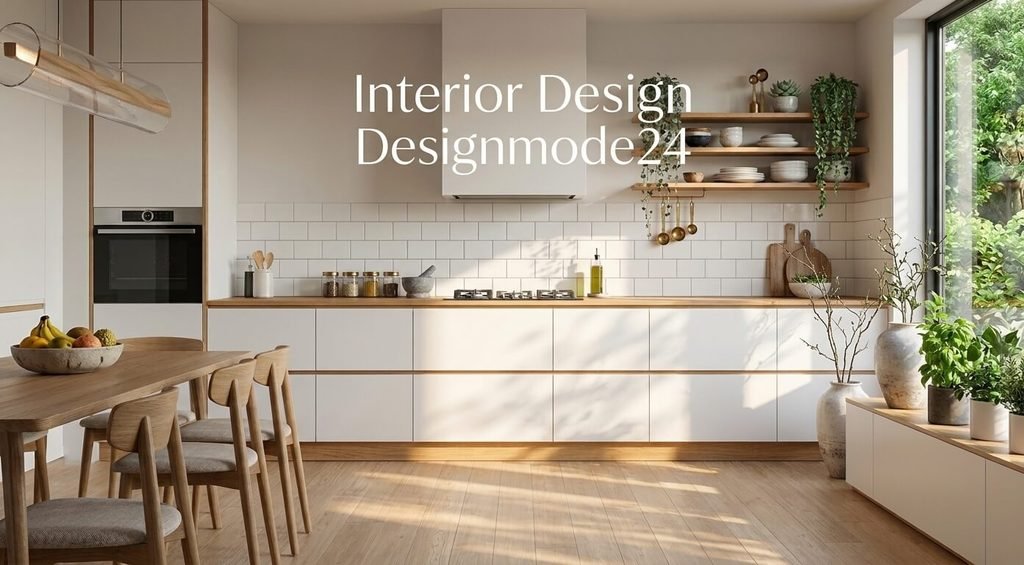
Traditional Interior Design
Traditional spaces incorporate classic dark wood furniture, detailed architectural moldings, rich upholstery fabrics, symmetrical arrangements, and timeless color palettes that create a sense of elegance and history.
Exploring interior design designmode24 helps you select and blend preferred elements from multiple styles without creating visual confusion or overcrowding your rooms. Applying these styles within interior design designmode24 brings out a natural charm that makes any floor plan feel customized and complete.
Designing Functional and Flowing Layouts
A beautiful room becomes frustrating when its physical layout fails to support daily movement. Furniture placement must be carefully calculated before buying permanent decor.
Establishing Focal Points and Seating
Begin by identifying the main focal point of the space. In a living room, this might be a large window, television setup, or fireplace. Position primary seating to allow natural conversation while keeping sightlines to the focal point clear.
Managing Traffic Pathways and Clearances
Movement pathways need generous clearance. Leave sufficient walking space between furniture pieces, around doorways, and along high-traffic pathways. Avoid placing oversized tables or storage units where they block natural movement across the room.
Zoning Open-Plan Living Spaces
For open-concept layouts, furniture arrangements can establish distinct functional zones without solid structural walls. A floating sofa can clearly separate the living lounge from an adjacent dining space. Large area rugs visually group furniture pieces into distinct functional islands. Open-shelf bookcases provide storage while creating subtle visual partitions between zones. Pendant lights directly mark dining tables or kitchen islands as specific activity centers.
Applying strategic layout strategies from interior design designmode24 keeps open living spaces organized, uncluttered, and comfortable to navigate.
Color Psychology and Palette Selection
Color is one of the most powerful elements in interior planning because it directly impacts mood, light perception, and perceived room proportions.
Building a Balanced Three-Tier Palette
Before picking wall colors, evaluate natural light direction, existing flooring, and the room’s main purpose. A balanced color scheme includes three core levels. The primary color acts as the dominant shade for main walls and large architectural surfaces, taking up about sixty percent of the visual space. The secondary color serves as a complementary tone for furniture, rugs, and window curtains, covering about thirty percent. The accent color provides a vibrant contrast for cushions, artwork, and small decor items, making up the final ten percent.
Neutral colors like cream, warm gray, beige, and soft taupe offer flexible backdrops. They pair seamlessly with rich greens, deep blues, terracotta, or warm metallic accents.
Color Impacts on Room Size
In smaller rooms, light reflective shades make walls recede, creating an open atmosphere. Darker shades introduce intimacy and architectural drama, especially when paired with adequate warm lighting.
Testing paint samples directly on different walls is a key step in interior design designmode24. Paint colors shift noticeably under direct sunlight, overcast light, and artificial fixtures throughout the day. By relying on smart interior design designmode24 color combinations, homeowners can transform dull areas into bright and open environments.
Choosing Quality Furniture for Comfort and Durability
Furniture represents a major financial investment in any home project. The right selections must deliver daily ergonomic comfort, match room dimensions, and suit the overarching aesthetic.
Prioritizing Core Furniture Pieces
Avoid buying complete room sets at once. Focus first on high-use core investments such as a durable sofa and coffee table for the living room, a supportive bed frame and wardrobe for the bedroom, and a sturdy dining table with comfortable chairs.
Critical Buying Criteria
Evaluate primary factors before finalizing purchases, including physical measurements to ensure items fit through entryways, construction quality of wood frames and hardware, maintenance requirements that match your household cleaning habits, and long-term durability for high-traffic areas.
Multifunctional furniture provides exceptional value in smaller residences. Storage beds, extendable dining tables, nesting coffee tables, and storage ottomans increase room functionality without using extra floor area. Practicing interior design designmode24 guidelines ensures your furniture choices maintain order and comfort over time.
Developing a Multi-Layered Lighting Plan
Proper lighting transforms room usability and warmth. Even an exquisitely decorated room feels flat or cold with poor lighting placement.
The Three Layers of Interior Lighting
A complete lighting scheme relies on three primary layers working together:
- Ambient Lighting: Provides overall general room illumination through recessed ceiling lights, central flush-mount fixtures, and large chandeliers.
- Task Lighting: Focuses bright light on specific activity zones using adjustable desk lamps, bedside reading lights, and under-cabinet kitchen LEDs.
- Accent Lighting: Adds depth by highlighting architectural details, art pieces, or decorative shelving using directional spotlights and wall sconces.
Maximizing Natural Daylight
Maximize natural daylight by keeping window glass clean and choosing sheer drapes or adjustable blinds. Mirrors placed opposite windows reflect incoming light into darker corners of the room. Using layered lighting concepts from interior design designmode24 allows you to adapt brightness easily from daytime tasks to relaxed evening hours.
Maximizing and Organizing Small Living Spaces
Small rooms require thoughtful design to avoid feeling cramped. Prioritizing efficiency over excess furniture is essential in tight layouts.
Small Space Layout Strategies
Utilize vertical wall space by installing floating shelves and tall cabinets to free up valuable floor area. Choose appropriately scaled furniture with slim legs that feel visually lightweight. Introduce convertible pieces like folding desks and sofa beds to deliver high utility on demand. Maintain clear surfaces on countertops and desks to prevent daily clutter build-up, and install large mirrors to reflect light and create an optical sense of expanded space.
Applying interior design designmode24 methods ensures small apartments remain spacious, highly functional, and effortless to keep clean. Master readers often discover that interior design designmode24 solutions give compact spaces a fresh, luxurious feel without requiring massive structural alterations.
Material Selection for Flooring, Walls, and Ceilings
Floors, walls, and ceilings form the structural frame of an interior. Materials chosen for these surfaces define durability, acoustical comfort, and overall visual quality.
Comparing Flooring Options
Select flooring based on foot traffic, moisture resistance, maintenance needs, and budget. Hardwood offers natural warmth and classic style, while porcelain and ceramic tiles provide exceptional durability and water resistance for kitchens and bathrooms. Quality laminate and luxury vinyl planks replicate natural wood appearances with high scratch resistance and simpler maintenance. Soft carpeting adds warmth and sound dampening, making it popular for bedrooms.
Wall and Ceiling Finish Choices
Paint is the fastest way to update walls, while textured wallpaper, wood paneling, or decorative molding adds character. Ceilings also deserve attention; subtle molding, recessed lighting, or clean matte paint finishes elevate the room’s overall feel. Basic interior design designmode24 guidelines help you choose wall and floor finishes that handle daily wear with ease.
Sustainable and Eco-Friendly Design Practices
Sustainable design focuses on making responsible choices that lower waste and support long-term environmental health.
Actionable Eco-Friendly Methods
Homeowners can easily practice sustainable design by reusing and upcycling quality existing furniture, selecting rapidly renewable materials like bamboo and cork, installing energy-efficient LED lighting across all fixtures, and choosing low-emission paints for cleaner indoor air. Incorporating air-purifying indoor plants further improves indoor air quality naturally.
Practicing eco-friendly interior design designmode24 ideas reduces long-term replacement costs while creating a healthier indoor environment.
Integrating Smart Home Technology
Modern technology integrates cleanly into home interiors, boosting daily convenience, security, and climate control.
Practical Smart Home Additions
Automated lighting systems allow customized schedules and voice-controlled brightness levels. Smart thermostats optimize heating and cooling routines based on occupancy patterns. Motorized window blinds regulate natural light, while integrated sound systems keep entertainment electronics streamlined.
Integrating technology smoothly through interior design designmode24 ensures smart devices improve comfort without dominating room aesthetic appeal.
Room-by-Room Decorating Guidelines
Different rooms serve distinct household roles. Decorating strategies must address the unique demands of each space.
Living Room
Prioritize comfortable seating layouts, accessible coffee or side tables, warm ambient lighting, and adequate media storage. Layer accent pillows, throw blankets, and art to reflect your family’s personal taste.
Bedroom
Design bedrooms around relaxation, quiet acoustics, and rest. Invest in a supportive mattress, light-blocking window curtains, cozy bedding, soft bedside lighting, and organized closet storage systems.
Kitchen
Focus on efficient workflows between the refrigerator, sink, and stove. Choose durable, stain-resistant countertops, easy-to-clean backsplashes, ample cabinet storage, and bright task lighting for everyday food preparation tasks.
Bathroom
Select moisture-resistant floor tiles, quality ventilation fans, well-lit vanity mirrors, efficient linen storage, and low-maintenance plumbing fixtures that simplify cleaning routines.
Home Office
Position desks near natural light sources. Select ergonomic chairs, install glare-free task lamps, manage electronic cables neatly, and utilize wall shelving for functional document storage.
Tailoring each room to its main purpose is a core objective of interior design designmode24, keeping every part of your home functional and well-organized. Following an interior design designmode24 approach guarantees that each room retains its unique identity while staying unified with the rest of the house.
Using Accessories and Art for Personal Style
Accessories bring character, texture, and personal storytelling into a home. Decorative accents turn a plain house into a welcoming, personal environment.
Accessory Styling Techniques
Arrange vases, candles, or ceramic objects in odd-numbered groups of three or five to create visually dynamic compositions. Combine items of varying heights to create vertical balance, and leave open negative space around objects so key pieces stand out. Hang artwork so the center of the frame sits at average eye level for optimal viewing.
Through thoughtful placement, interior design designmode24 styling lets you showcase personal collections without cluttering your home.
Balancing Modern Trends with Timeless Architecture
Decorating trends evolve constantly. Colors, furniture styles, and popular finishes that feel exciting today may feel dated in a few years.
Building a Long-Lasting Foundation
Protect your design investment by choosing timeless foundations for high-cost items, such as neutral architectural wall colors, classic hardwood flooring, well-constructed solid wood furniture, and classic sofa shapes upholstered in durable neutral fabrics.
Introducing Trendy Elements
Incorporate modern trends through low-cost, easily swappable decor elements like accent pillow covers, contemporary artwork, decorative table lamps, and seasonal tabletop items.
This balanced approach makes interior design designmode24 flexible and affordable, allowing easy updates whenever your tastes change.
Common Interior Design Mistakes to Avoid
Even carefully planned decorating projects can run into issues if key practical details are overlooked.
Top Errors and Prevention Tips
- Purchasing Furniture Without Measuring: Always outline furniture dimensions on the floor using painter’s tape before buying.
- Relying on a Single Light Source: Avoid flat overhead illumination by layering ambient, task, and accent lighting.
- Pushing All Furniture Against Walls: Float seating inward to form cozy, functional conversation groupings.
- Choosing Appearance Over Durability: Select materials that suit your actual lifestyle, pet habits, and maintenance capabilities.
- Overlooking Storage Needs: Plan built-in cabinets, wardrobes, and multi-use storage early in the space layout process.
- Following Every Decorating Trend: Avoid mixing unrelated trends that clash with your home’s underlying architecture.
- Overdecorating Surfaces: Keep side tables and counters uncluttered to preserve visual clarity and calm.
Avoiding these common mistakes using interior design designmode24 strategies protects your budget and yields lasting results.
Step-by-Step Interior Design Execution Guide
Following an organized sequence keeps decorating and remodeling projects running smoothly on schedule.
Project Roadmap
Step 1: Define goals and functional needs by listing how the room will be used. Step 2: Record accurate dimensions of the floor space, walls, windows, and doors. Step 3: Establish a detailed budget targeting furniture, finishes, lighting, and labor. Step 4: Pick a unified design style and overall room atmosphere. Step 5: Draft a functional floor plan to test furniture arrangements before buying. Step 6: Select surface materials, paints, and upholstery fabrics. Step 7: Update electrical outlets, switches, and layered lighting points. Step 8: Deliver and position core furniture according to your floor plan. Step 9: Style accessories, window drapes, wall art, and plants. Step 10: Evaluate the finished space and adjust furniture positions as needed.
Following this step-by-step checklist keeps any interior design designmode24 project smooth, organized, and budget-friendly.
Frequently Asked Questions
What is interior design, and why is it important? Interior design is the comprehensive process of planning, structuring, and styling indoor spaces to maximize visual appeal, comfort, and functional utility, creating living environments that support daily routines cleanly.
How can I update my home decor on a tight budget? Focus on low-cost high-impact updates: apply fresh paint, rearrange existing furniture layouts, improve lighting with warmer LED bulbs, organize storage, and introduce budget-friendly accent pillows or indoor plants.
Which interior style works best in compact homes? Minimalist and Scandinavian styles excel in compact living spaces because they emphasize light color palettes, elevated furniture legs, vertical storage solutions, and uncluttered layouts that maximize natural sunlight.
How do I choose the correct color palette for a room? Evaluate room size, daylight exposure, and function. Use the 60-30-10 ratio: dominant wall color for major surfaces, secondary tone for furniture, and a bold accent color for decor.
What are the three main types of interior lighting? The three primary types are ambient lighting for general illumination, task lighting for focused activities, and accent lighting for highlighting art or architectural features.
How does interior design designmode24 simplify planning for home non-professionals? It provides structured planning steps, practical layout rules, budget templates, and clear guidelines, empowering non-professionals to create cohesive home spaces without hiring costly consultants.
Final Thoughts
Creating a beautiful interior requires more than selecting attractive furniture or following brief decorating trends. It involves understanding room function, organizing floor space efficiently, selecting quality materials, implementing layered lighting, and balancing style with daily usability.
The strategies covered throughout this guide to interior design designmode24 give homeowners the tools to undertake decorating projects with clarity and confidence. Whether updating a compact apartment, remodeling a family residence, designing a functional kitchen, or building a soothing bedroom retreat, proper planning makes a lasting impact.
The best interiors are not always the most expensive or elaborate. They are functional spaces where furniture fits comfortably, light supports daily tasks, storage prevents clutter, and decorative details foster a welcoming atmosphere. By focusing on functionality, material quality, and long-term utility, mastering interior design designmode24 enables anyone to create a home that looks attractive, feels comfortable, and serves daily life for years to come. Homeowners who implement these interior design designmode24 core rules will build timeless spaces that truly stand out.
