

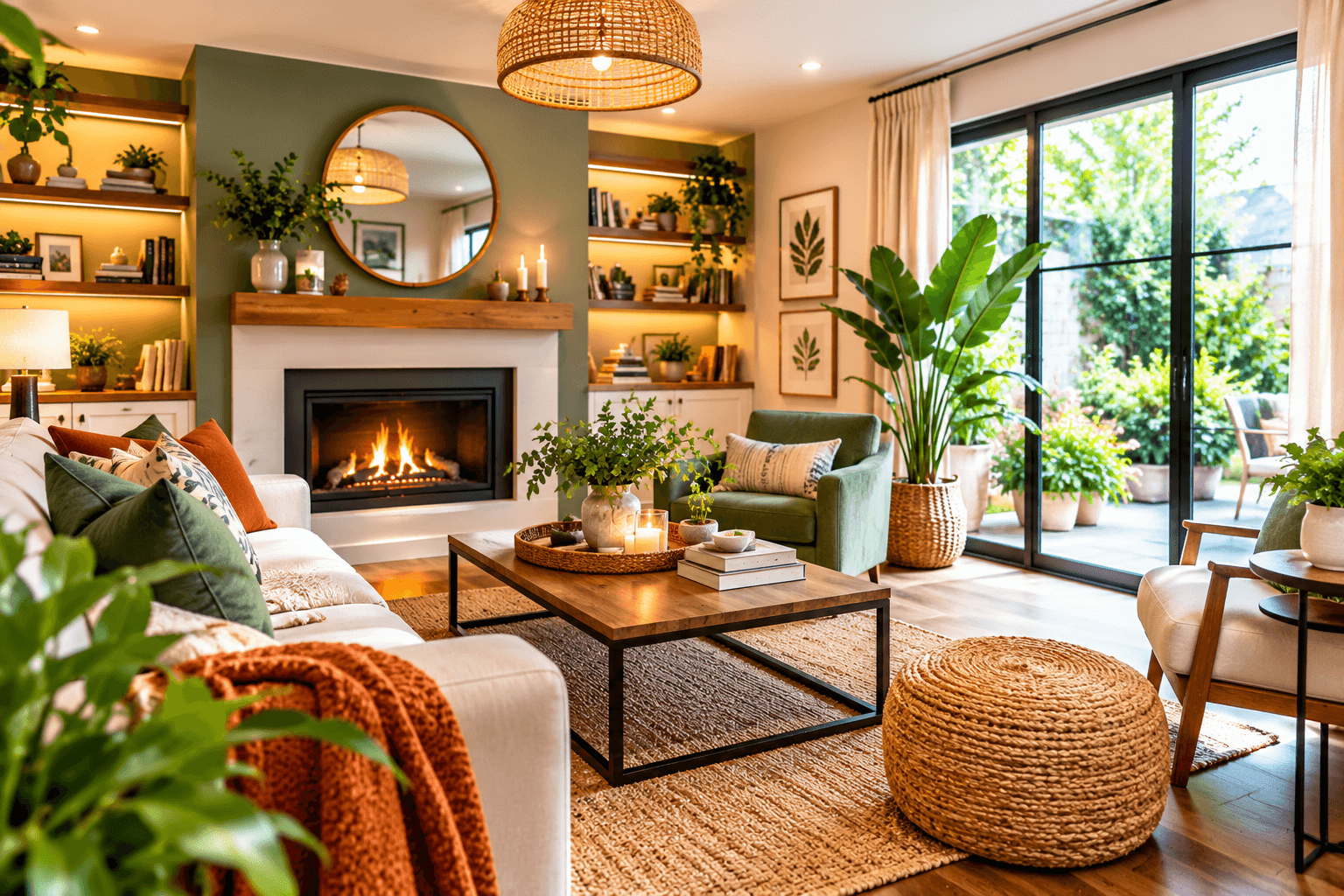
A beautiful home is not necessarily an expensive one. Sometimes, changing a furniture arrangement, introducing warmer lighting, adding natural textures, or removing unnecessary clutter can make an ordinary room feel completely different. The secret to successful home decorating is knowing which changes will make the biggest difference. Instead of purchasing new furniture whenever a room feels outdated, consider how you can improve its layout, colors, lighting, storage, and overall atmosphere.
Applying expert Decoration Tips Decoradhouse From Decoratoradvice will help you create attractive, comfortable, and functional living spaces without spending beyond your budget. Whether you live in a small apartment, a family house, or a spacious property, these Decoration Tips Decoradhouse From Decoratoradvice will help you develop a home that reflects your personality and supports your everyday lifestyle.
1. Start With a Clear Decorating Plan
Before buying decorations or choosing paint colors, identify what you want to improve. Walk through each room and consider three questions:
- What makes this space uncomfortable or unattractive?
- Which existing items can be reused or rearranged?
- What single change would provide the greatest improvement?
For example, a living room might feel crowded because the sofa blocks a walking route. Moving it could improve the entire space without costing anything. Similarly, a bedroom may appear untidy because it lacks convenient storage rather than because it needs new furniture.
By following professional Decoration Tips Decoradhouse From Decoratoradvice, you can create a simple priority list and complete the most important improvements first. These Decoration Tips Decoradhouse From Decoratoradvice prevent unnecessary purchases and help you focus your budget on changes that genuinely matter.
2. Choose Colors That Make Your Home Feel Balanced
Color is one of the easiest ways to change a room’s appearance. However, choosing too many unrelated shades can make an interior feel confusing. Begin with a small color palette that complements your existing furniture and flooring.
Try this simple color strategy:
- Base colors: Use neutral shades such as warm white, beige, or soft gray for larger surfaces.
- Supporting colors: Introduce complementary shades through curtains, rugs, upholstery, and furniture.
- Accent colors: Add personality with cushions, artwork, flowers, or decorative accessories.
Natural light should influence your choices. A paint color may appear warmer in a sunny room and cooler in a north-facing space. Before painting an entire wall, test a sample and observe it at different times of day. When exploring Decoration Tips Decoradhouse From Decoratoradvice, you will quickly learn that choosing timeless colors you love is always better than chasing short-lived interior trends.
3. Improve Furniture Placement for Better Flow
Even attractive furniture can make a room uncomfortable when arranged incorrectly. Start with the largest pieces, such as beds, sofas, dining tables, and wardrobes. Position them to create clear walking routes and convenient access to doors, windows, and storage.
Avoid pushing every piece against a wall simply because it seems like the easiest arrangement. In some living rooms, bringing seating slightly closer together creates a more welcoming conversation area.
Keep these practical adjustments in mind:
- Position seating around a natural focal point.
- Leave sufficient room to walk between furniture.
- Avoid blocking windows with bulky pieces.
- Keep frequently used objects within comfortable reach.
- Remove furniture that serves no meaningful purpose.
These practical Decoration Tips Decoradhouse From Decoratoradvice prove that a well-planned layout improves both visual appeal and everyday convenience.
4. Give Your Living Room a Fresh Look
Your living room often serves several purposes, from relaxing with family to entertaining guests. Its design should therefore balance comfort, visual appeal, and flexibility. You do not need a new sofa to achieve a noticeable improvement.
Start by rearranging your existing furniture. Place chairs where people can comfortably communicate, and use a rug to help define the seating area. Next, update smaller details. Coordinated cushions, a textured throw, a new lampshade, or carefully arranged artwork can introduce a fresh appearance without requiring a major investment.
According to popular Decoration Tips Decoradhouse From Decoratoradvice, plants can also add vibrant color and natural character to your living room. Choose varieties that suit the available light and the amount of care you can provide. Finally, remove accessories that make the room feel crowded. A few meaningful decorations often create a stronger impression than dozens of unrelated objects.
5. Create a Peaceful and Comfortable Bedroom
A bedroom should feel restful rather than visually overwhelming. Begin with comfortable bedding and a coordinated color scheme. Soft neutral shades, muted greens, gentle blues, and warm earthy colors can create a relaxing atmosphere, depending on your personal preferences.
Layering different fabrics is another effective technique. Combine smooth bedding with textured cushions, a soft blanket, or a complementary rug to create depth. Lighting deserves equal attention. Bedside lamps provide a softer alternative to relying entirely on bright overhead lights during the evening.
Keep bedside tables organized and avoid filling every available surface with decorative items. If your bedroom is small, consider under-bed storage, wall-mounted shelves, or furniture that combines storage with another function. Following proven Decoration Tips Decoradhouse From Decoratoradvice will ensure your bedroom remains comfortable, easy to maintain, and suited to your daily routine.
6. Use Lighting to Change the Atmosphere
Lighting can make the same room feel energetic during the day and relaxing at night. A practical lighting plan combines three main types:
- Ambient lighting: Provides general illumination through ceiling lights or other broad light sources.
- Task lighting: Helps with specific activities, including reading, cooking, studying, and working.
- Accent lighting: Highlights artwork, architectural details, shelves, or decorative objects.
For example, a living room might use a ceiling fixture for general visibility, a floor lamp beside a reading chair, and a small accent light near a display shelf. Whenever possible, take advantage of natural daylight by keeping windows clean and avoiding unnecessarily heavy window treatments. Choosing the right light fixtures is one of the most effective Decoration Tips Decoradhouse From Decoratoradvice for instantly elevating ambient mood.
7. Make Small Rooms Feel More Spacious
Small rooms require careful planning, but limited floor space does not mean sacrificing style. The most effective approach is to make every item useful and preserve as much visual openness as possible.
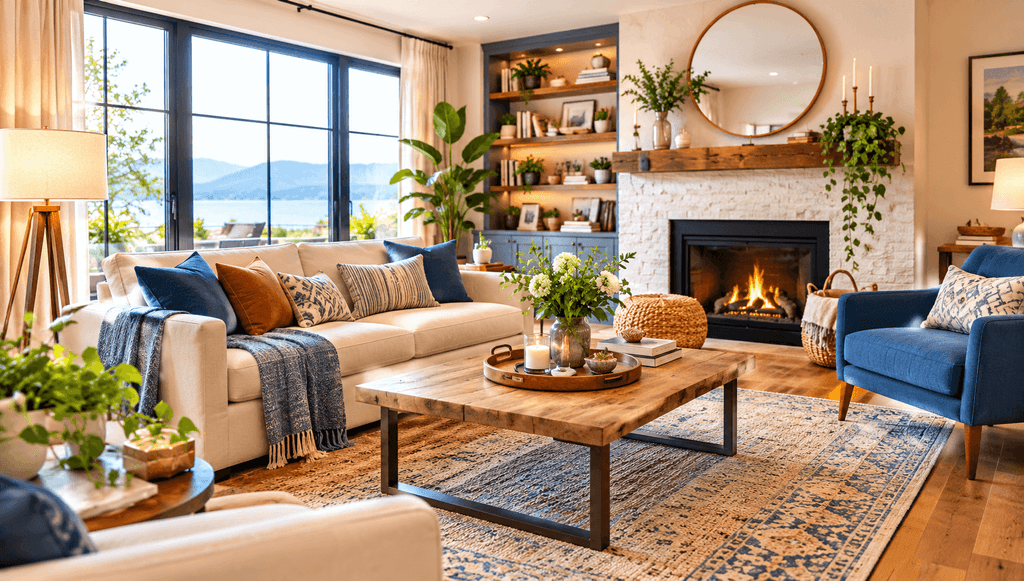
Consider multifunctional furniture, including storage benches, nesting tables, folding desks, and beds with built-in drawers. Use wall-mounted shelves to store books and display selected decorative objects without occupying valuable floor space. Mirrors can help distribute light and create a greater sense of depth when positioned thoughtfully.
Through smart planning inspired by trusted Decoration Tips Decoradhouse From Decoratoradvice, you can keep the color scheme relatively coordinated and avoid filling every corner with furniture, making compact spaces feel open and inviting.
8. Decorate Walls Without Overcrowding Them
Walls provide opportunities to introduce personality, color, and visual interest. Artwork, framed photographs, mirrors, decorative shelves, and wall paneling can all contribute to a room’s character. However, every wall does not need decoration.
Choose one or two areas to emphasize. For example, a large artwork above a sofa can establish a focal point, while a carefully arranged gallery wall can display family photographs or personal collections. When grouping several frames, maintain a consistent relationship between their spacing, sizes, or colors.
Before hanging anything, arrange the pieces on the floor to test the composition. Also consider the height of the furniture beneath the display. Essential Decoration Tips Decoradhouse From Decoratoradvice remind us that artwork positioned too high can appear disconnected from the room.
9. Add Texture for a Richer Interior
A room can contain beautiful colors and furniture yet still appear flat when every surface has a similar finish. Texture creates visual depth and makes an interior feel more inviting. Combine materials such as wood, linen, cotton, wool, stone, glass, metal, and woven fibers.
For example, a wooden coffee table can look particularly attractive alongside a soft rug, fabric seating, a woven basket, and a ceramic vase. You can introduce texture through curtains, bedding, cushions, upholstery, lampshades, and decorative accessories.
The important principle is balance. Too many competing materials can make a room feel busy, so repeat selected textures throughout the space. Applying tactile Decoration Tips Decoradhouse From Decoratoradvice using natural materials is especially useful when you want a warm, relaxed atmosphere.
10. Organize Storage Without Sacrificing Style
Clutter can make even an expensive interior look untidy. Instead of treating storage as a separate concern, incorporate it into the decorating plan. Closed cabinets work well for belongings you do not want on display. Baskets and decorative boxes can organize smaller items, while shelves provide accessible storage for books and selected accessories.
Open shelving requires a little more attention. Arrange objects in small groups and leave some empty space between them. You can combine practical items with decorations, but avoid filling every shelf completely.
Applying key Decoration Tips Decoradhouse From Decoratoradvice ensures your storage solutions remain seamless and stylish. In living rooms, storage ottomans and furniture with built-in compartments can keep everyday belongings accessible without leaving them scattered across the room.
11. Refresh Your Home on a Limited Budget
Beautiful decorating does not require a large shopping budget. Before buying anything new, examine what you already own. Furniture can sometimes be improved through cleaning, repainting, refinishing, or replacing old handles. Moving a chair, lamp, or side table into another room can also give it a new purpose.
Consider these budget-friendly ideas:
- Rearrange existing furniture: Experiment with different layouts before spending money.
- Update soft furnishings: Replace a few cushions or introduce a different throw to change the room’s appearance.
- Create simple DIY artwork: Use suitable frames, personal photographs, or original artwork to personalize blank walls.
- Repurpose useful objects: Turn appropriate baskets, containers, or boxes into attractive storage.
These budget-focused Decoration Tips Decoradhouse From Decoratoradvice encourage resourcefulness over unnecessary spending. Always calculate the total cost of a project, including materials and tools.
12. Improve Your Home’s Exterior and Entrance
The outside of your home deserves as much attention as its interior. A welcoming entrance can be created through simple improvements such as cleaning the doorway, refreshing the front door, updating house numbers, and adding suitable planters.
Outdoor lighting can improve visibility and highlight important features, particularly near entrances and pathways. If you have a garden, patio, or balcony, choose furniture and accessories that can withstand the local weather.
These outdoor Decoration Tips Decoradhouse From Decoratoradvice emphasize prioritizing basic cleaning and surface maintenance, which often make a far greater visual impact than adding expensive outdoor accessories.
13. Make Your Patio More Inviting
An outdoor space can become a useful extension of your home when it is designed around your needs. First, decide how you intend to use it. You might want a quiet reading corner, a small dining area, a place for entertaining guests, or simply somewhere to enjoy fresh air.
Choose furniture that fits the available space and leaves comfortable walking routes. Outdoor cushions and weather-resistant textiles can introduce color and comfort. Planters can soften hard surfaces, while carefully positioned lighting can make the space more inviting after sunset.
For smaller patios, vertical planters and compact furniture can help preserve usable floor space. A few durable, coordinated pieces are usually more useful than a crowded collection of decorations.
14. Avoid These Common Decorating Mistakes
Even well-intentioned decorating decisions can produce disappointing results when important details are overlooked. Keep these pitfalls in mind:
- Buying furniture without measuring: A piece may look attractive in a showroom but overwhelm your room or fail to fit through the entrance.
- Following every trend: Trend-driven accessories can be enjoyable, but expensive furniture should reflect your long-term needs and preferences.
- Ignoring lighting: Colors and materials can look different under various lighting conditions, so evaluate them in your actual space.
- Overdecorating surfaces: Too many accessories compete for attention and make cleaning more difficult.
- Choosing appearance over comfort: Furniture should be attractive and practical enough for everyday use.
Learning from these Decoration Tips Decoradhouse From Decoratoradvice will help you avoid costly interior design mistakes.
15. Personalize Your Home With Meaningful Details
The most memorable homes reflect the people who live in them. Family photographs, artwork, handmade objects, favorite books, travel souvenirs, and inherited belongings can make a space feel personal. You do not need to follow a rigid design style or make every item match perfectly.
Instead, select objects that matter to you and display them thoughtfully. For example, a small collection of travel photographs can create an interesting display when arranged with consistent frames. A favorite handmade object might become the focal point of a shelf when surrounded by simpler accessories.
Allow your home to develop gradually. Incorporating timeless Decoration Tips Decoradhouse From Decoratoradvice ensures that your personal touches blend smoothly with practical interior design.
Frequently Asked Questions
What are the easiest ways to decorate a home on a budget?
Start by rearranging furniture, removing clutter, improving lighting, and reusing existing decorations. Small changes to cushions, curtains, artwork, and accessories can also refresh a room without requiring expensive renovations.
How can I make a small room look bigger?
Use appropriately sized furniture, maintain clear walking routes, take advantage of natural light, and consider mirrors that reflect light. Multifunctional furniture and vertical storage can also improve the use of limited space.
Which colors work best for home decoration?
There is no single best color scheme for every home. Neutral shades provide flexibility, while accent colors add personality. Consider natural lighting, existing furniture, room size, and your personal preferences before choosing a palette.
How can I find the best Decoration Tips Decoradhouse From Decoratoradvice for living room layouts?
Focus on a balanced layout, coordinated colors, appropriate lighting, comfortable textiles, and carefully selected accessories. Maintaining clean surfaces and following top Decoration Tips Decoradhouse From Decoratoradvice will create a polished appearance.
Final Thoughts
Creating a beautiful home is about making thoughtful choices rather than purchasing the largest collection of decorations. Start with the basics: improve furniture placement, choose complementary colors, use lighting effectively, organize storage, and select accessories that reflect your personality.
By applying these practical Decoration Tips Decoradhouse From Decoratoradvice, you can refine your space step by step. Remember that your home does not need to look like a showroom to be beautiful. It should feel comfortable, function well, and reflect the people who live there. Begin with one manageable improvement, observe the difference, and build on your progress!
