

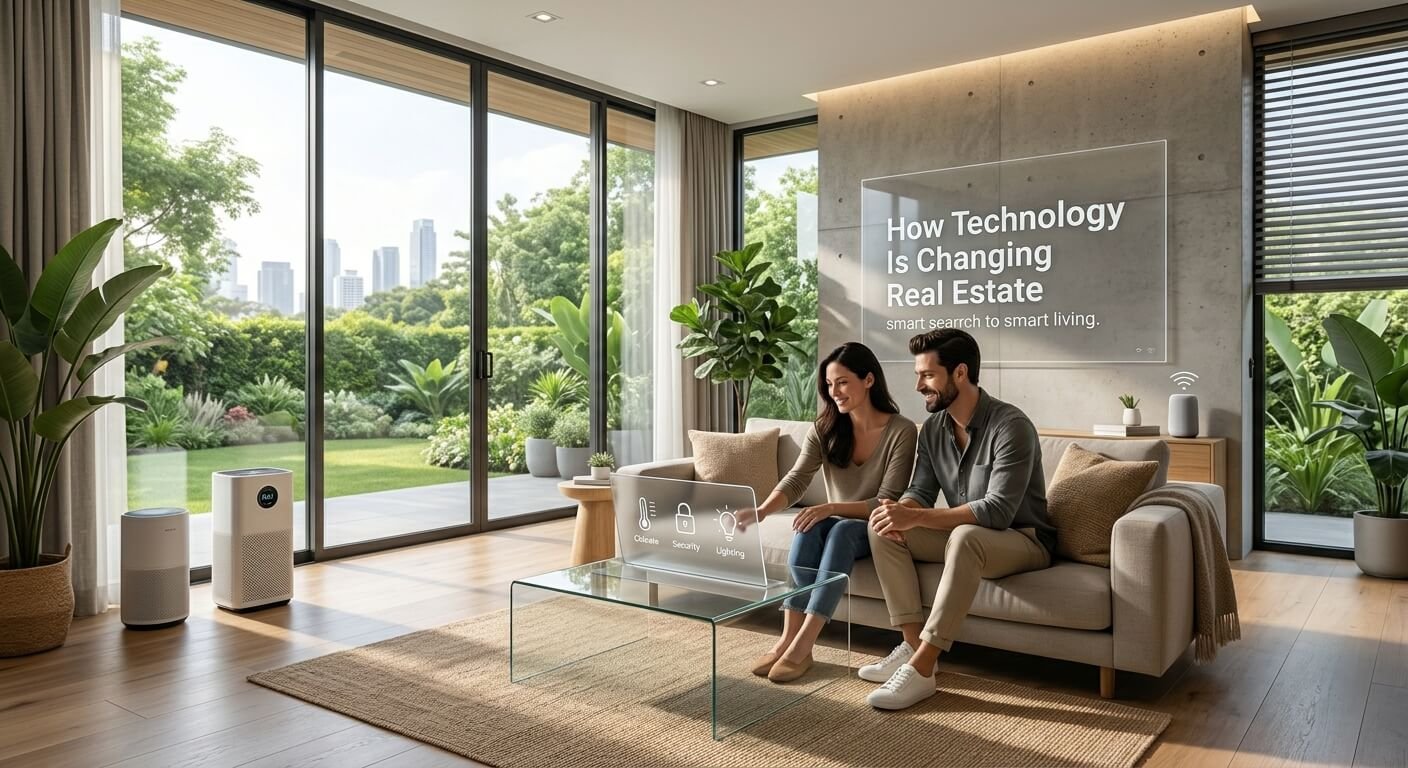
The real estate industry is undergoing a massive transformation as advanced digital tools and automated systems re-define how properties are bought, sold, and managed. Today, buyers can tour homes thousands of miles away using immersive virtual reality, sellers can showcase properties through high-definition digital listing services, and homeowners can automate daily living using interconnected smart devices.
Integrating modern real estate frameworks with digital infrastructure represents the core philosophy behind homerocketrealty modern technology. This approach brings together digital search capabilities, artificial intelligence (AI), smart home automation, and streamlined property management into a single actionable strategy. Whether you are looking to purchase your first house, invest in rental units, or simply upgrade your current living environment, understanding these advancements will save you time, reduce operational risks, and elevate your overall property experience.
What Is Modern Technology in Real Estate?
Modern real estate technology refers to the software, hardware, and digital networks designed to streamline property transactions, improve communication, and make building management more efficient. Traditionally, real estate required extensive physical travel, manual paperwork, in-person negotiations, and reactive maintenance. Today, digital platforms allow real estate professionals and consumers to execute complex tasks remotely with greater accuracy.
In traditional real estate, buyers had to rely heavily on physical home viewings, paper contracts, manual property appraisals, and reactive maintenance when things broke down. In contrast, modern real estate tech utilizes 3D virtual walkthroughs like Matterport, encrypted digital e-signatures via DocuSign, AI-driven automated property valuations, and connected smart sensors that warn homeowners before major issues occur.
The adoption of homerocketrealty modern technology connects property discovery directly with smart living solutions. While search engines help users locate prospective houses, connected devices transform daily operations inside the home. Key examples include:
- Online Property Portals: Real-time databases that categorize real estate listings with dynamic search filters.
- Artificial Intelligence Engines: Predictive algorithms that estimate property values and match buyers with listings.
- Virtual Viewing Platforms: Interactive 3D home tours that allow potential buyers to walk through properties virtually.
- Digital Document Systems: Encrypted platforms that allow secure transaction processing and electronic signatures.
- Smart Home Automation: Interconnected climate, lighting, and security systems controlled via smartphone applications.
How Artificial Intelligence Is Changing Property Searches
Finding the right property used to take weeks of reviewing newspaper ads and visiting dozens of open houses. Artificial intelligence has shortened this process significantly by filtering millions of data points instantly to present tailored property recommendations based on individual preferences.
AI property engines take buyer preferences—such as budget, location, architectural style, and energy efficiency targets—and combine them with predictive market insights. These insights include price trend analysis, neighborhood safety data, and expected rental yields.
AI algorithms analyze buyer behavior, search history, budget constraints, neighborhood demographic data, and architectural styles to deliver highly relevant results. When leveraging homerocketrealty modern technology, AI acts as an intelligent digital consultant that simplifies market analysis for buyers and investors alike.
Key Benefits of AI in Real Estate
- Precision Matching: AI systems eliminate irrelevant listings by filtering properties based on strict user criteria.
- Automated Valuations: Algorithmic pricing tools examine recent neighborhood sales to estimate fair market value instantly.
- 24/7 Virtual Assistance: AI chatbots answer initial buyer questions, schedule viewings, and organize property documentation around the clock.
- Market Trend Analysis: Machine learning models evaluate historical economic data to predict future property value fluctuations.
Despite these capabilities, AI should be viewed as an analytical guide rather than an absolute authority. Algorithmic estimates may miss recent physical renovations, localized neighborhood nuances, or subtle structural flaws. Combining AI insights with independent professional home inspections is essential for making sound real estate investments.
Virtual Tours and Remote Property Viewings
Virtual property tours have permanently altered how prospective buyers explore homes. Instead of scheduling multiple physical visits, buyers can experience fully rendered 3D environments, interact with dimensional floor plans, and review high-resolution digital media from any computer or mobile device.
Platforms utilizing software like Matterport allow buyers to walk through a house room by room, assess wall space, inspect architectural finishes, and evaluate spatial flow before making a commitment. For overseas investors, military families relocating between states, or busy professionals, homerocketrealty modern technology powered by virtual viewings saves valuable time and travel expenses.
Different virtual viewing methods serve unique needs during the home buying journey:
- 360-Degree Photography: Provides a cost-effective spatial overview best suited for quick initial online browsing.
- Interactive 3D Walkthroughs: Offers accurate scale and room flow analysis, perfect for remote buyers and serious prospects.
- Augmented Reality (AR): Allows virtual furniture placement inside empty spaces, ideal for interior design planning.
While virtual viewings streamline initial assessments, buyers must still perform physical inspections to evaluate hidden structural issues, ambient neighborhood noise, moisture levels, and building system conditions.
Smart Home Technology for Modern Living
Once a property is acquired, smart technology transforms daily living by optimizing home management, security, and utility usage. A central smart hub connects key physical systems—such as smart climate controls, security cameras, keyless entry locks, and environmental alert sensors—allowing homeowners to monitor and control their environment remotely.
Adopting homerocketrealty modern technology in smart residential environments focuses on installing functional devices that solve genuine living challenges. Key smart home components include:
- Automated Climate Control: Smart thermostats (such as Nest or Ecobee) adjust heating and cooling based on occupancy patterns, reducing energy waste.
- Connected Security Infrastructure: Video doorbells (such as Ring) and high-definition security cameras offer real-time surveillance and smartphone alert systems.
- Keyless Entry Solutions: Smart locks allow homeowners to manage access permissions remotely, providing secure temporary codes for guests or service workers.
- Environmental Alert Sensors: Automated moisture, smoke, and carbon monoxide detectors alert homeowners to environmental hazards before major damage occurs.
Homeowners do not need to convert their entire property at once. Starting with a centralized smart speaker hub and two essential safety or climate devices provides an easy foundation for gradual home automation upgrades.
Energy Efficiency and Sustainable Real Estate
Rising energy costs and increasing environmental awareness have made sustainability a major priority for buyers and property owners. Smart energy technology helps households monitor utility consumption, minimize waste, and maintain comfortable internal environments efficiently.
Smart thermostats automatically lower energy output when a property is unoccupied, cutting heating and cooling costs by roughly 10% to 15%. Intelligent energy monitors track electricity usage per appliance, while occupancy sensors ensure lighting operates only when rooms are active, preventing unnecessary utility expenditures. Intelligent leak sensors provide early plumbing leak notifications, saving property owners thousands of dollars in potential water damage repair.
Implementing homerocketrealty modern technology strategies centered on energy management helps property owners control recurring operational expenses. However, technology alone does not guarantee lower utility bills; maximum efficiency depends on adequate home insulation, window performance, device configuration, and consistent energy usage habits.
Digital Real Estate Transactions and Property Management
The administrative aspect of real estate has also undergone significant modernization. Digital transaction platforms, electronic signature software, and cloud-based document repositories have replaced cumbersome paper contracts and delayed physical mailings.
Throughout the property buying phase, buyers use AI listing portals for instant feature filtering during property discovery, 3D virtual tour platforms for remote walkthroughs during initial assessment, encrypted e-signature software for rapid legal execution during document signing, and cloud management portals for property operations.
Buyers, sellers, real estate agents, and legal representatives can exchange contracts, complete identity verifications, and archive legal records through encrypted digital platforms. For landlords and residential property managers, cloud software simplifies tenant communications, rental collection, maintenance tracking, and financial recordkeeping.
Applying homerocketrealty modern technology protocols to documentation speeds up transaction timelines and improves administrative organization. Nevertheless, users must prioritize cybersecurity by enforcing multi-factor authentication, utilizing encrypted communication networks, and verifying legal requirements for electronic signatures in their local jurisdiction.

Major Advantages of Modern Real Estate Technology
When applied thoughtfully, modern real estate solutions deliver measurable improvements for homeowners, buyers, and property managers alike.
- Time Efficiency: Digital listings, remote viewings, and electronic contracts shorten the property acquisition cycle significantly.
- Enhanced Convenience: Centralized smartphone management allows remote monitoring of home security, temperature, and lighting systems.
- Data-Driven Decision Making: Comprehensive market analytics help buyers evaluate property values and localized pricing trends accurately.
- Improved Risk Management: Smart sensors detect plumbing leaks, electrical faults, and security breaches before costly damages occur.
- Streamlined Communication: Cloud platforms allow landlords, tenants, agents, and contractors to track requests transparently.
Maximizing these benefits through homerocketrealty modern technology requires selecting hardware and software solutions that directly address your practical living or management requirements.
Challenges, Security, and Considerations
Despite its numerous benefits, integrating modern technology into real estate introduces specific technical and financial challenges that require careful management.
- Initial and Ongoing Costs: Smart devices, installation, and subscriptions require clear upfront budgeting. To manage this, property owners should upgrade systems gradually and focus on high-ROI tools.
- Cybersecurity Risks: Connected cameras, smart locks, and data systems can be vulnerable if networks are unsecured. Enforce strong passwords and multi-factor authentication.
- Interoperability Issues: Not all smart devices communicate smoothly across different platforms. Choose hardware compatible with standard smart home protocols.
- Internet Dependence: Automated features may lose functionality during network outages. Select smart devices that retain physical manual overrides.
Before investing in smart home upgrades, evaluate hardware warranty terms, verify subscription costs, confirm offline operating capabilities, and apply strong network security protocols to safeguard your personal data.
How to Select the Right Smart Home Ecosystem
Building an effective smart home system does not require replacing every device in your property overnight. A structured, practical evaluation helps ensure you select tools that enhance daily living without creating unnecessary technical complexity.
- Define Clear Objectives: Start by identifying your primary goal, whether it is tighter security, lower energy bills, or more convenient property management.
- Establish a Total Cost Budget: Set a realistic budget that includes hardware purchase costs, professional installation, recurring subscription fees, and replacement cycles.
- Confirm Ecosystem Interoperability: Select a single primary control system—such as Apple Home, Google Home, or Amazon Alexa—and verify device compatibility.
- Enforce Strong Network Security: Ensure your home Wi-Fi network is reliable and secure, isolating smart devices on a separate network layer with strong passwords.
- Phase Installation Gradually: Start small by installing one or two core devices, such as a smart thermostat or keyless door lock, before expanding into a larger system.
Applying homerocketrealty modern technology guidelines helps homeowners make informed equipment purchases that provide long-term reliability.
Future Trends Shaping Real Estate Technology
As technology evolves, the integration of digital tools within the real estate market will continue to accelerate, introducing smarter systems for buyers and property managers.
- Advanced Predictive AI: Next-generation market platforms will deliver more precise home valuation models and localized investment analytics.
- Fully Immersive Spatial Computing: Enhanced virtual and augmented reality experiences will make remote home viewings feel increasingly realistic.
- Automated Building Diagnostics: Smart residential sensors will analyze structural integrity, plumbing health, and HVAC efficiency autonomously.
- Integrated Sustainability Metrics: Energy monitoring platforms will automatically optimize home electricity draw based on real-time solar generation and power grid rates.
Staying informed about homerocketrealty modern technology developments ensures that home buyers, investors, and residents can leverage emerging technologies to build comfortable, secure, and future-ready living spaces.
Frequently Asked Questions
1. What does homerocketrealty modern technology encompass?
The framework of homerocketrealty modern technology covers the integration of digital listing platforms, AI market tools, virtual property viewings, smart home devices, and online property management software designed to improve buying, selling, and living experiences.
2. Can smart home technology increase a property’s market value?
While smart home features make properties more appealing to tech-focused buyers, overall market value continues to depend primarily on location, physical building condition, square footage, and broader economic demand.
3. How can property owners secure smart devices against digital threats?
Homeowners should isolate smart hardware on a dedicated guest Wi-Fi network, create unique passwords, enable multi-factor authentication, and update device firmware regularly.
4. Are virtual property tours accurate enough to replace physical viewings?
Virtual tours are ideal for initial spatial evaluation and filtering out unsuitable properties, but physical home inspections remain necessary to verify structural integrity, plumbing, electrical systems, and neighborhood conditions.
5. What is the most practical smart device to install first?
A smart thermostat or a video doorbell offers the highest immediate return on investment by delivering immediate energy efficiency or home security benefits with straightforward installation.
Conclusion
Modern technology has fundamentally changed how we discover, evaluate, purchase, and manage residential real estate. AI-driven search tools streamline property exploration, 3D virtual tours reduce physical travel requirements, and connected smart home devices improve daily security, climate control, and energy management.
The core lesson behind homerocketrealty modern technology is that technology should serve a practical purpose. By selecting secure, fully compatible devices and pairing digital tools with professional real estate guidance, buyers and property owners can make well-informed decisions that deliver long-term value, comfort, and convenience.
