

Choosing the right roofing material is one of the most important decisions a homeowner can make. A well-designed roof protects the building from rain, sunlight, wind, and other environmental conditions while contributing to energy efficiency, comfort, and overall property value. However, finding a roofing solution that balances durability, maintenance, appearance, and budget requires careful research.
Vinyl roofing has attracted attention as a practical option for certain residential and commercial buildings. Its moisture resistance, heat-welded seams, and design flexibility make it worth considering, particularly for flat and low-slope roofs. Still, understanding the material’s limitations is just as important as knowing its advantages.
If you are researching vinyl roofing homerocketrealty solutions, this comprehensive guide explains how vinyl roofing works, its major benefits and disadvantages, installation requirements, maintenance considerations, costs, and how it compares with other popular roofing materials. By understanding these factors, you can make a better-informed decision for your property.
What Is Vinyl Roofing?
Before comparing roofing products, it is important to understand the material itself. In roofing, vinyl generally refers to polyvinyl chloride (PVC), a synthetic material manufactured into flexible, durable sheets for use as a waterproof roofing membrane.
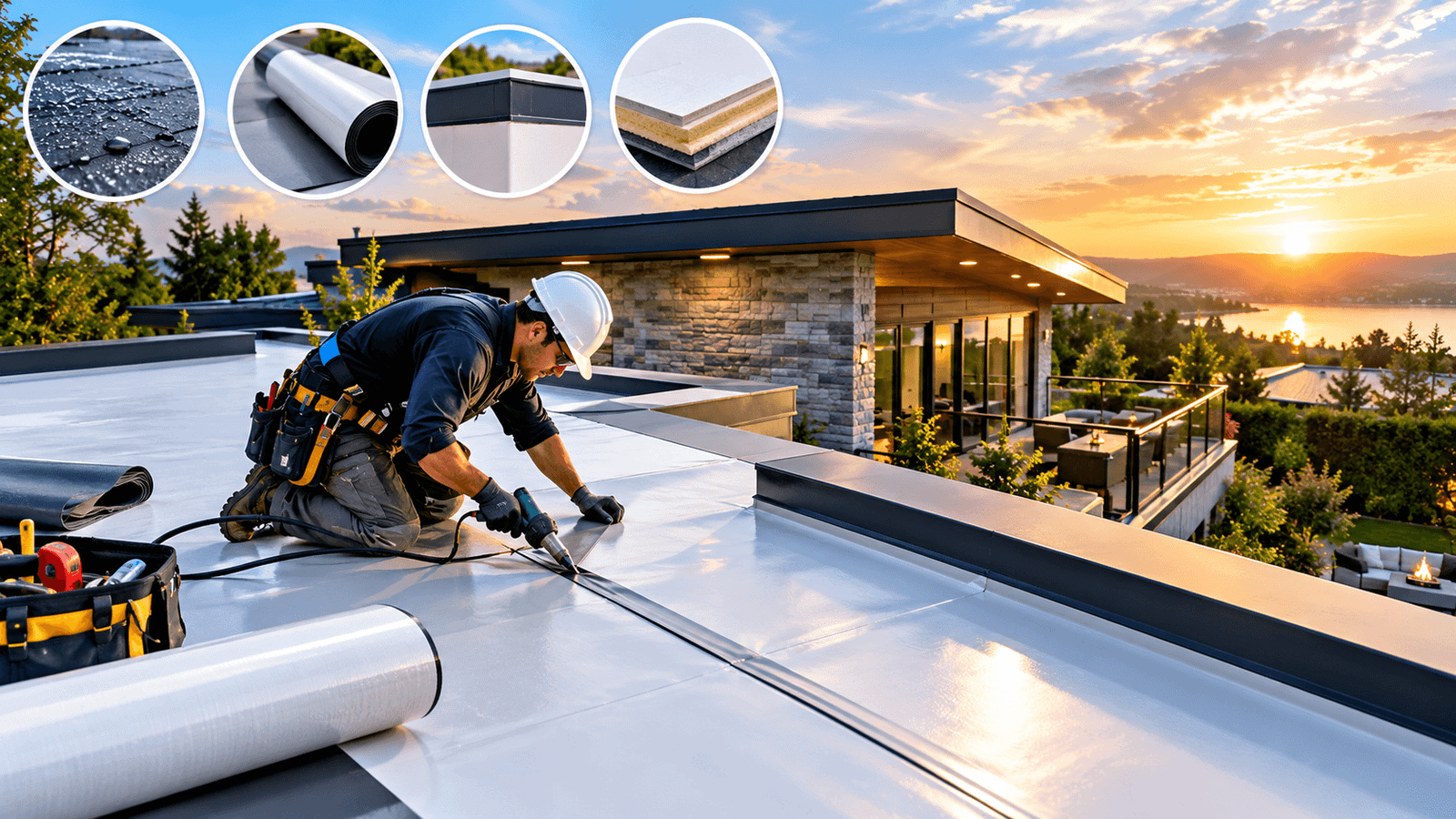
Unlike traditional asphalt shingles, which are installed in overlapping rows, PVC roofing membranes are typically installed in larger sheets. The seams between these sheets are commonly joined using hot-air welding, creating a continuous waterproof layer when the system is installed correctly.
Understanding vinyl roofing homerocketrealty concepts begins with recognizing that vinyl roofing is most commonly associated with flat and low-slope roofs, although specialized systems may be available for other roof designs. It is frequently considered for residential extensions, garages, porches, apartment buildings, and certain commercial properties. According to standard building guides, PVC is one of the leading single-ply membrane materials for low-slope applications.
Important Note: Roofing-grade PVC membranes should not be confused with ordinary vinyl sheets or vinyl siding. These materials serve different purposes and are not interchangeable. A suitable roofing product must be specifically designed, tested, and approved for structural protection.
How Does Vinyl Roofing Work?
The main purpose of a vinyl roofing membrane is to form a protective barrier that prevents water from entering the building. Its effectiveness depends on the membrane, roof design, drainage, installation quality, and condition of the surrounding roof components.
When evaluating vinyl roofing homerocketrealty guides, homeowners should understand the main components of a complete roofing system:
- Roof Deck: The structural surface supporting the roof assembly. It should be thoroughly inspected for moisture damage and deterioration before installation.
- Insulation & Cover Board: Insulation improves thermal performance, while a cover board provides a smooth substrate for the membrane and protects the underlying layers.
- PVC Membrane: The primary waterproofing layer. Product thickness, reinforcement, attachment method, and manufacturer specifications all affect long-term performance.
- Seams & Flashing: Hot-air-welded seams connect membrane sheets, while custom flashing protects vulnerable areas around drains, parapet walls, roof edges, vents, and penetrations.
- Drainage System: Gutters, scuppers, and carefully engineered slopes move water away from the roof. Even a waterproof membrane cannot compensate for poor drainage.
When exploring vinyl roofing homerocketrealty components, ensure these systems work together seamlessly to create a reliable protective shield for your home.
Major Benefits of Vinyl Roofing
Vinyl roofing offers several useful characteristics, although its suitability depends on the specific building and product selected.
| Benefit | Description |
| Waterproofing | Heat-welded seams form a continuous, leak-resistant barrier. |
| Energy Efficiency | Reflective white surfaces reduce solar heat absorption. |
| Low Maintenance | Does not require periodic recoating like asphalt or rubber. |
| Chemical Resistance | Resists damage from oils, greases, and harsh environmental chemicals. |
1. Strong Moisture Protection
One of the biggest advantages of vinyl roofing homerocketrealty options is its exceptional resistance to water penetration. The membrane forms a continuous protective surface, and heat-welded seams are physically stronger than the sheet itself, significantly reducing leak risks.
2. Reflective Surface Options (Cool Roof Savings)
Many vinyl roofing homerocketrealty membranes come in white or highly reflective finishes. Depending on solar reflectance specifications, these surfaces can reflect up to 80% of sunlight, helping lower roof temperatures and cooling bills during warm months.
3. Low Routine Maintenance
A properly installed vinyl roofing homerocketrealty system does not require frequent surface recoating. Periodic inspections to clear drains and check flashing are usually all that is needed to maintain performance.
4. Architectural Flexibility
PVC membranes can be custom-fabricated around complex roof features, including skylights, HVAC units, and parapet walls.
Potential Disadvantages of Vinyl Roofing
Understanding the limitations highlighted in vinyl roofing homerocketrealty reviews helps homeowners avoid unsuitable choices:
- Punctures and Foot Traffic: Sharp falling debris or heavy foot traffic during maintenance can puncture the membrane without proper walkway pads.
- Workmanship Dependency: The performance of vinyl relies heavily on flawless seam welding. Improper installation leads to early system failure.
- Substrate Compatibility: PVC cannot be installed directly over asphalt or certain insulation types without a protective separation barrier.
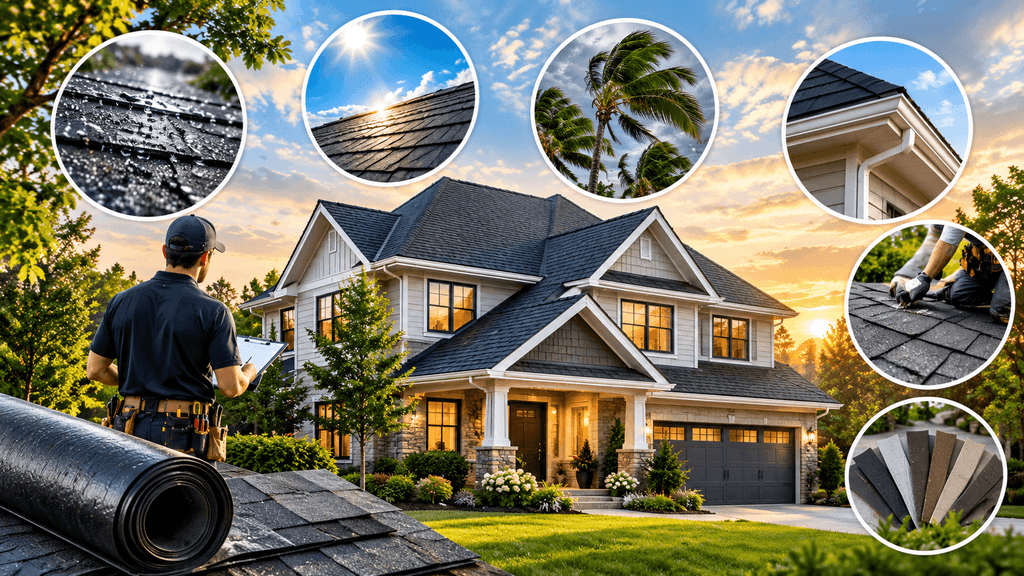
- Not Ideal for Steep Slopes: Traditional pitched roofs are generally better served by asphalt shingles, standing seam metal, or tiles.
Vinyl Roofing vs. Other Roofing Materials
Comparing available single-ply membranes and conventional roofing materials helps clarify the best fit for your property:
| Material | Primary Advantages | Considerations |
| PVC (Vinyl) | Hot-air welded seams, high chemical & moisture resistance | Higher upfront material costs; requires skilled installers |
| TPO Membrane | Highly reflective, cost-effective single-ply option | Formula variations across manufacturers |
| EPDM Membrane | Durable synthetic rubber, highly flexible | Seams rely on adhesives/tapes rather than heat welds |
| Asphalt Shingles | Economical, widely available for pitched roofs | Shorter lifespan on flat or low-slope sections |
| Metal Roofing | Extreme longevity, strong wind resistance | Higher initial investment, thermal expansion detailing required |
How Does Vinyl Roofing Perform in Different Climates?
When selecting vinyl roofing homerocketrealty solutions, evaluating local climate conditions is essential for maximizing long-term durability.
- Hot and Sunny Climates: Reflective white PVC membranes minimize heat transfer into the building, reducing HVAC strain. UV-stabilized formulations resist cracking under prolonged sun exposure.
- Rainy and Coastal Regions: Heat-welded seams make vinyl one of the most reliable options against persistent rain, high humidity, and salt spray.
- Cold and Snow-Prone Areas: Flexible PVC membranes retain tensile strength in freezing temperatures. Proper slope and drainage detailing prevent ice damming.
- High-Wind Zones: Fully adhered or mechanically fastened PVC assemblies designed to meet regional uplift codes withstand strong wind storms effectively.
How Much Does Vinyl Roofing Cost?
The total investment for a vinyl roofing homerocketrealty project varies depending on scope, roof complexity, and local labor rates.
On average, installed PVC roofing costs between $4.00 and $12.00 per square foot, including materials and labor.
+-------------------------------------------------------------+
|               ESTIMATED PVC ROOFING COSTS                   |
+------------------------------------+------------------------+
| Basic Residential Flat Roof        | $4,000 – $7,500        |
| Standard 1,500 sq. ft. Home        | $6,000 – $14,000       |
| Complex Roof (Multiple Penetrations)| $10,000 – $18,000+     |
+------------------------------------+------------------------+
Key Cost Factors:
- Roof Size & Slope: Larger square footage increases material volume, while complex slopes demand specialized safety and labor procedures.
- Membrane Thickness: Thicker membranes (e.g., 60 mil vs. 45 mil) cost more upfront but provide superior puncture resistance and extended warranties.
- Tear-off & Deck Repairs: Removing old roofing layers or repairing rotten plywood decking adds to labor and disposal costs.
- Insulation Upgrades: Adding rigid insulation (such as Polyiso) increases energy efficiency but adds to total project expense.
Vinyl Roofing Installation: Step-by-Step
Proper installation by certified professionals ensures your vinyl roofing homerocketrealty investment performs as expected:
- Deck Inspection: The substrate is checked for structural integrity, moisture, and debris.
- Substrate Preparation: Insulation boards and cover boards are laid down and mechanically attached or adhered.
- Membrane Layout: PVC sheets are rolled out, relaxed, and positioned across the roof surface.
- Attachment: Sheets are secured using mechanical fasteners along the edges or full-spread adhesive.
- Seam Welding: Overlapping seams are fused together using a hot-air welding tool, creating a permanent chemical bond.
- Flashing & Termination: Custom PVC flashing is installed around vents, drains, walls, and edges to guarantee a watertight seal.
Essential Maintenance Tips for Long-Term Performance
Although vinyl roofing homerocketrealty materials require minimal routine upkeep, following these simple steps preserves system integrity:
- Routine Visual Checks: Inspect the roof surface twice a year (in spring and fall) for punctures, loose metal edges, or degraded sealants.
- Clear Drains and Scuppers: Remove leaves, sediment, and organic buildup to prevent standing ponding water.
- Post-Storm Inspections: Examine roof flashing and edges after severe wind, hail, or storm events.
- Protect High-Traffic Areas: Install approved walkway pads along paths leads to HVAC units or servicing equipment.
- Use Compatible Cleaners: Clean the membrane using mild detergent and soft brushes; avoid harsh chemical solvents that damage PVC.
Questions to Ask Before Hiring a Roofing Contractor
Choosing the right installer for vinyl roofing homerocketrealty projects is just as vital as choosing the material itself. Ask candidates the following:
- Are your installers factory-trained and certified by the PVC manufacturer?
- Does the written proposal include complete tear-off, insulation, flashing, and waste disposal?
- What specific attachment method (adhered vs. mechanically fastened) do you recommend for my roof deck?
- What manufacturer and workmanship warranties are included in the price?
- Can you provide local references for similar PVC low-slope roofing installations?
Frequently Asked Questions
Is vinyl roofing suitable for residential steep-slope roofs?
Generally, no. Vinyl membranes are engineered primarily for flat and low-slope applications. Pitch roofs perform better with traditional shingles, tiles, or metal panels.
How long does a vinyl roof typically last?
A high-quality, professionally installed vinyl roofing homerocketrealty assembly can last 20 to 30 years or more with basic routine maintenance.
Can vinyl roofing help reduce summer energy bills?
Yes. Reflective white PVC membranes reflect significant solar radiation, reducing heat transfer into your living space and lowering cooling demands.
Is vinyl roofing better than TPO or EPDM?
It depends on your building’s needs. PVC offers superior chemical and grease resistance and proven hot-air welded seams, whereas TPO and EPDM may offer different price points or elasticity characteristics.
Final Thoughts
Selecting the ideal roofing system requires balancing durability, building structure, local climate, and initial costs.
For property owners exploring vinyl roofing homerocketrealty options, PVC single-ply membranes offer a proven, highly waterproof solution for flat and low-slope roofs. By prioritizing quality materials, precise hot-air welded installation, and periodic maintenance checks, you can secure a durable roofing assembly that protects your property for decades to come. Always request detailed quotes from licensed contractors to ensure your project’s success.
