

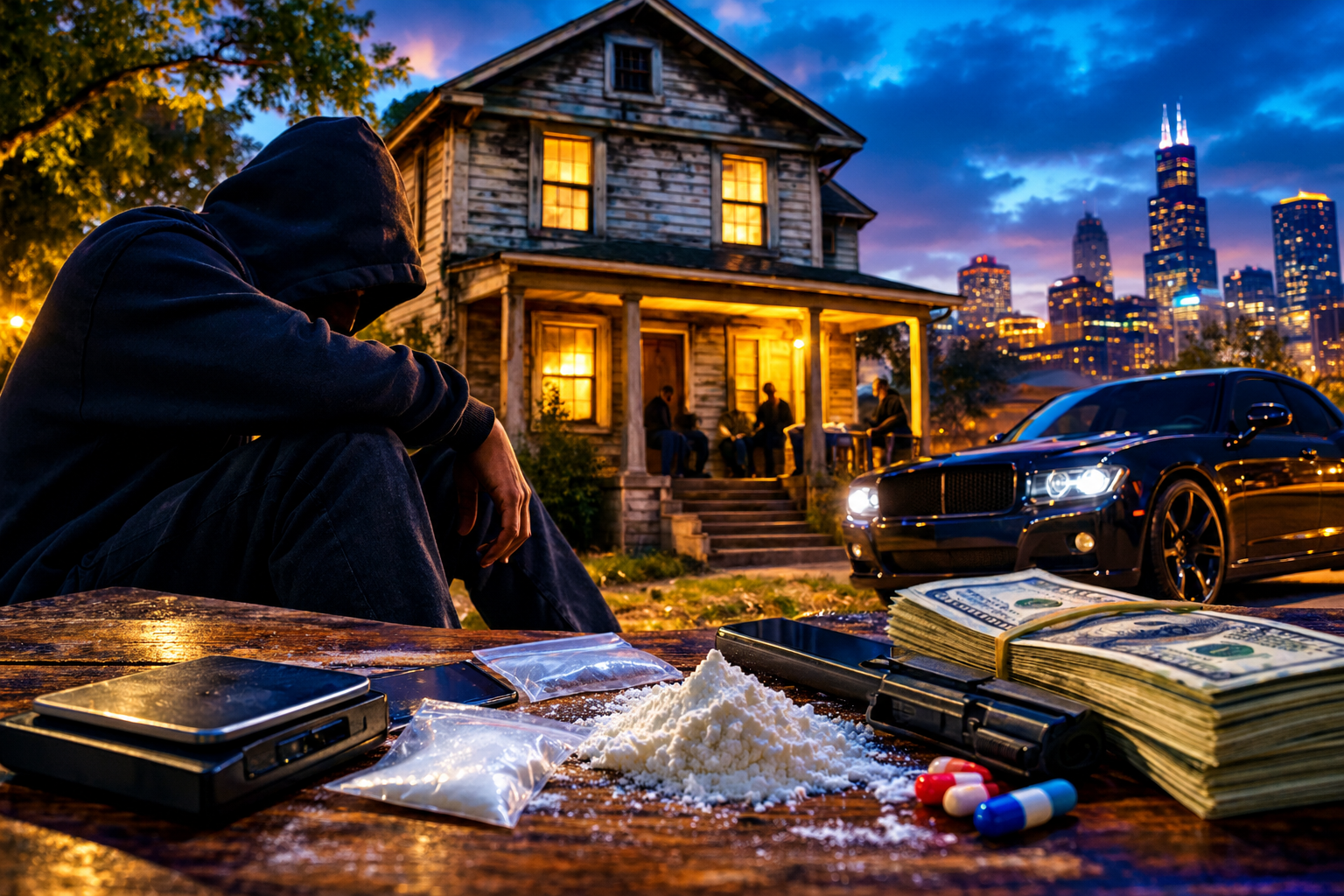
If you have ever encountered the phrase what is a trap house in a rap song, a Hollywood movie, a viral social media post, or an everyday conversation, you might find yourself wondering what it actually signifies. The term itself is informal urban slang, and its exact definition often varies depending on the context in which it appears.
Generally speaking, when someone asks what is a trap house in its traditional sense, it refers to a residential property explicitly used for illegal drug trade operations—specifically a location where illicit substances are stored, packaged, manufactured, or sold. However, over the past few decades, the phrase has evolved far beyond its literal criminal definition. Driven by Southern hip-hop, digital internet media, and modern youth culture, the expression has taken on broader cultural and metaphorical meanings.
This comprehensive guide breaks down what is a trap house, explores where the term originated, analyzes how it is used in modern music and pop culture, and highlights key facts everyone should understand about this widely recognized phrase.
What Is a Trap House in Simple Terms?
To clearly define what is a trap house in straightforward terms, it traditionally describes an abandoned home, an apartment, a motel room, or any residential structure transformed into a hub for illegal drug distribution.
The slang term combines two distinct concepts: “trap,” an inner-city street word historically associated with the lucrative yet dangerous drug trade, and “house,” which designates the physical structure where business takes place. In its earliest street usage, the property served as an operational focal point for drug dealers, suppliers, and buyers.
Importantly, anyone researching what is a trap house must recognize that it is not a formal legal or law enforcement classification. A residential property is never officially designated as a trap house by municipal authorities simply because neighbors or online users use the term colloquially.
In modern everyday speech, people use the expression far more loosely. Depending on who is speaking, the phrase can range from a direct reference to real-world criminal drug activity to a harmless cultural joke or musical reference on social media.
Where Did the Term “Trap House” Come From?
To fully grasp what is a trap house, it helps to examine the cultural history of the word “trap” in the American South.
During the early 1990s, street culture in major Southern cities—most notably Atlanta, Georgia—began using the word “trap” to describe places where drugs were sold. The term carried a dual meaning: it referenced a literal location for drug transactions, while also metaphorically describing how difficult it was for individuals trapped in poverty and street life to escape their circumstances.
As Southern hip-hop artists began rising to national prominence in the late 1990s and early 2000s, rap lyricists frequently incorporated the vocabulary of their environments into their music. Pioneers of the subgenre used their tracks to paint vivid pictures of the hardship, ambition, survival, and realities surrounding urban neighborhoods.
Through this lyrical evolution, the musical genre known as “trap music” was born. As the music grew into a global commercial juggernaut, millions of listeners worldwide began searching what is a trap house to better understand the stories behind their favorite songs. Over time, what began as localized street slang transformed into an internationally recognized cultural term.
What Does a Trap House Look Like?
A common point of confusion when exploring what is a trap house is whether such properties share a specific architectural design or outward appearance. The reality is that there is no distinct architectural style that defines these locations. A property described as such could be an ordinary suburban house, a high-rise apartment, a neglected building, or a rented condo.
Because the phrase describes alleged human behavior rather than building aesthetics, you cannot reliably identify a property simply by looking at its exterior.
People often associate certain suspicious behaviors with illegal activity—such as frequent short visits by unknown vehicles, unusual foot traffic at odd hours, heavily covered or blacked-out windows, or excessive security measures. However, all of these observations can have completely legal and legitimate explanations. It is critical never to accuse residents or judge a property based solely on architectural appearances, neighborhood rumors, or unfair social stereotypes.
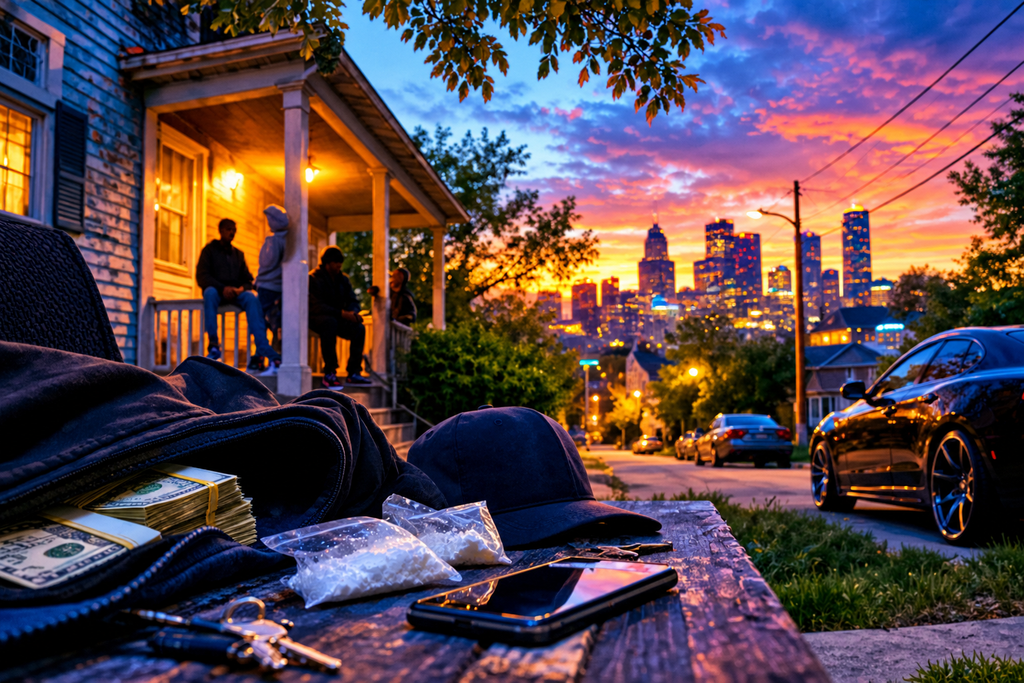
What Is a Trap House in Music and Hip-Hop?
In the music industry, the answer to what is a trap house takes on a much more artistic and metaphorical meaning.
When hip-hop artists reference the term in their lyrics, they are rarely talking about a specific, real-world real estate property. Instead, they use the concept as a artistic backdrop to explore deeper thematic elements:
- Navigating financial hardship and economic inequality
- Stories of personal survival, street hustle, and perseverance
- The complex realities of inner-city neighborhood environments
- The pursuit of wealth, ambition, and overcoming adversity
- Artistic authenticity and staying connected to one’s roots
Because music relies heavily on metaphor, hyperbole, and storytelling, a rap song mentioning a trap house is typically an artistic expression rather than a literal confession or property description. For many artists and fans, the phrase has become an integral piece of hip-hop vocabulary representing resilience and triumph over difficult beginnings.
Trap House vs. Trap Music: What Is the Difference?
While the two concepts share historical roots, anyone asking what is a trap house should understand that the property term and the music genre are not the same thing.
- A Trap House: Traditionally refers to a physical, real-world property or structure associated with illegal drug manufacturing, storage, or distribution.
- Trap Music: Refers to a massive subgenre of hip-hop characterized by distinct musical production features, including heavy sub-bass 808 kick drums, rapid-fire hi-hat patterns, dark synth melodies, and atmospheric sound design.
While trap music originally drew its lyrical themes from the environments surrounding the drug trade, the genre has expanded exponentially over the last two decades. Today, trap music elements influence pop, electronic dance music (EDM), Latin urban music, and K-pop worldwide, proving that the music genre stands completely independent of real-world illegal activity.
Why Is the Term So Popular Online and on Social Media?
The rise of digital social networks, viral memes, streaming media, and pop culture has made searches for what is a trap house increasingly common.
When young audiences encounter the phrase in viral TikTok videos, Instagram reels, TV dramas, documentary series, or video games, they naturally turn to search engines to find out what is a trap house and why it is being used.
Furthermore, internet culture frequently uses the phrase in a lighthearted or self-deprecating manner. For example, college students might jokingly label a messy dorm room a “trap house,” or friends might refer to a chaotic party house using the slang term. While these humorous online uses are miles away from the term’s original criminal context, understanding both uses helps prevent misunderstandings when reading online discussions.
Is a Trap House Illegal?
A frequent point of confusion when researching what is a trap house is whether the phrase itself carries legal consequences.
The term itself is merely an informal slang phrase, and using or saying the words “trap house” is entirely legal. It is not an official legal charge, nor is it a term used in court indictments.
However, the specific criminal activities traditionally associated with the slang—such as the unauthorized possession, manufacturing, trafficking, or distribution of controlled substances—are serious violations of local, state, and federal criminal laws. Therefore, it is important to separate the informal vocabulary word from the actual criminal acts that the slang historically described.
What Is a Trap House in Modern Popular Culture?
In contemporary entertainment, what is a trap house has transformed into a recognizable trope across multiple media platforms.
You can find references to the term in Hollywood films, television crime dramas, investigative podcasts, fashion lines, and digital art. Within these pop culture contexts, the concept often symbolizes:
- The harsh socio-economic realities faced by underfunded communities
- The systemic challenges of urban life and the drive to escape poverty
- A symbol of street authenticity in urban fashion and lifestyle branding
- A storytelling setting for fiction, drama, and action entertainment
Recognizing this broad pop culture footprint explains why everyday people frequently come across the phrase even when they have no personal connection to street culture or illegal activities.
Common Misunderstandings About Trap Houses
When exploring what is a trap house, several widespread misconceptions tend to persist:
- The Architectural Myth: Many believe a trap house always looks run-down or abandoned. In truth, illegal activities can occur in luxury suburban homes just as easily as dilapidated structures.
- The Literal Interpretation Myth: Many assume that whenever someone uses the phrase, actual crime is occurring. In modern English, the term is frequently used metaphorically, artistically, or humorously.
- The Neighborhood Stereotype Myth: People often mistakenly label entire lower-income neighborhoods based on racial or economic stereotypes. Criminal activity is defined by actions, not by geographic location or neighborhood appearance.
Clearing up these misunderstandings ensures that people interpret the phrase accurately without making unfair assumptions about individuals or communities.
What Should You Do If You Suspect Serious Illegal Activity?
If you ever suspect that a nearby property in your community is involved in dangerous illegal operations, safety and discretion should always be your top priorities.
- Avoid Direct Confrontation: Never attempt to inspect the property, film residents aggressively, or confront individuals yourself. Doing so can put your personal safety at risk.
- Observe Objective Facts: Focus on concrete, verifiable observations (such as specific dangerous behavior) rather than rumors, social media gossip, or personal assumptions.
- Contact Local Law Enforcement: For immediate safety threats or emergencies, call local emergency services right away. For non-emergency concerns, submit anonymous tips through official law enforcement reporting channels or local crime stoppers organizations.
Properly distinguishing between internet slang and genuine community safety concerns ensures that real issues are handled safely by trained professionals.
Frequently Asked Questions
What is a trap house slang for?
When asking what is a trap house slang for, it traditionally refers to a residence or property used for illegal drug trade operations. In modern popular culture, it can also serve as slang for a party house, a messy living space, or a general hip-hop reference.
Why is it called a trap house?
The term combines “trap”—slang historically used in the American South for drug dealing environments—with “house,” representing the physical location where the trade took place. The word “trap” also symbolized the difficult socio-economic trap of street life.
Is “trap house” a legal term?
No, “trap house” is purely informal slang. It is not a recognized legal classification, official law enforcement term, or statutory crime.
Is trap music the same as a trap house?
No. While trap music originated by describing the realities surrounding drug trade environments, trap music itself is a worldwide genre of hip-hop defined by specific production styles, heavy bass, and fast hi-hats.
Can the phrase be used humorously?
Yes, online communities, memes, and youth culture frequently use the phrase lightheartedly to describe messy apartments, energetic social gatherings, or chaotic living situations without any criminal connection.
Final Thoughts
Understanding what is a trap house requires looking at both its historical street origins and its modern evolution in global culture. While the phrase originally defined a physical property associated with illegal drug operations, its meaning has expanded dramatically through the global rise of trap music, television, movies, and internet social media.
Because the expression is informal slang, context is everything. Hearing the phrase in a rap song, seeing it in a meme, or reading it in a movie script is vastly different from evaluating a real-world legal situation. By understanding the history, musical ties, and pop culture footprint behind what is a trap house, readers can navigate modern urban slang with clarity, cultural awareness, and factual accuracy.

1 Comment
Pingback: 7.How to Remove Wallpaper Glue: Easy & Effective Methods