

A beautiful home is not simply a collection of expensive furniture and fashionable finishes. It is a space that supports your routine, reflects your personality, and feels comfortable from morning to night. The strongest interiors balance appearance with practical decisions: how people move through a room, where everyday items are stored, how natural light enters, and which materials can handle daily use.
Exploring designmode24 interior design is a great way to find practical ideas that bring style and function together. Whether you are updating a small apartment, refreshing a family home, or planning a larger renovation, these principles can help you make thoughtful choices without wasting money.
This guide from MyBeautifulHouse.net covers room planning, colors, materials, lighting, and common decorating mistakes.
What Makes an Interior Design Plan Successful?
The most useful designmode24 interior design principles start with the people who use the space. Before choosing a style, consider the room’s main purpose, the number of people using it, your storage needs, and the amount of maintenance you can manage.
A practical plan balances function, comfort, proportion, consistent finishes, durable materials, and personal details.
The best designmode24 interior design ideas are not necessarily the most expensive or elaborate. A carefully arranged room with good lighting and useful storage can feel more polished than a crowded space filled with costly accessories.
Start With Space Planning, Not Shopping
A practical designmode24 interior design project begins with measurements, not shopping. Start by recording the length, width, ceiling height, door swings, window locations, outlets, and any built-in features. Sketch a simple floor plan and note the main routes people use to move around.
Decide what each area needs to do. In an open-plan room, a rug and sofa can define the living area while a dining table marks another zone. Keep bedroom routes clear, and check that large purchases can pass through entrances and hallways. Paper templates or removable tape can help test a layout before you buy.
Choose a Color Palette That Works in Your Light
Color is another important part of designmode24 interior design because it can change a room’s mood and perceived size. Natural light, bulb temperature, flooring, and nearby finishes all affect how a paint color appears.
Build a simple palette with a base color for walls, a supporting color for furniture or curtains, and an accent shade for smaller details.
Warm whites, muted greens, soft beige, and earthy shades can create a relaxed atmosphere. Deep blue, charcoal, or rich brown can add contrast when balanced with lighter surfaces. If you are unsure, test paint samples on more than one wall and observe them in morning, afternoon, and evening light.
For a cohesive result, repeat a few tones across connected rooms. You do not need to paint every room the same color; repeating a wood finish, metal tone, or accent shade can create continuity.
Select Furniture for Scale, Comfort, and Flexibility
Furniture should suit both the room and your routine. A large sectional may overwhelm a narrow apartment, while a compact sofa or extendable table can offer flexibility. Check dimensions, comfort, fabric care, construction, and warranty before buying. Removable covers and easy-clean materials can help busy households. Keep walkways clear and avoid overcrowding the room.
A thoughtful designmode24 interior design approach treats furniture as part of the room’s overall layout, not as isolated purchases. Buy the essential pieces first, live with the arrangement, and add occasional tables or decorative items only where they serve a purpose.
Advanced Strategies for Daily Living
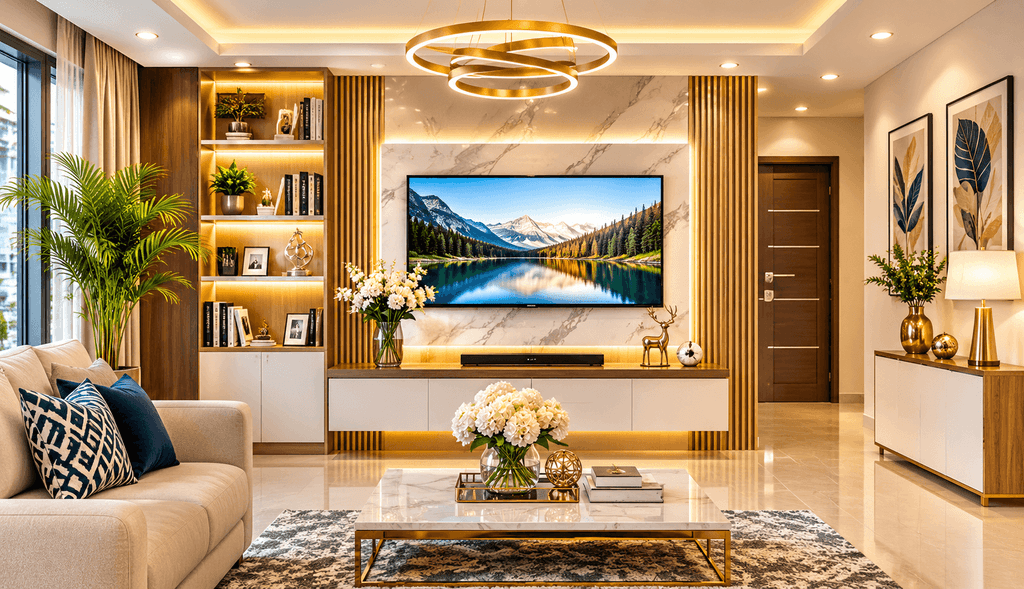
To make a home truly functional, you need to look at specific daily zones and how light and storage work together.
Layer Lighting for Different Activities
In designmode24 interior design, lighting deserves as much planning as furniture because a single ceiling fixture often leaves corners dark.
A better lighting plan combines three layers:
- Ambient lighting provides general illumination through ceiling fixtures, recessed lights, or well-placed floor lamps.
- Task lighting helps with specific activities, such as reading, cooking, grooming, or working.
- Accent lighting draws attention to artwork, shelves, textured walls, or architectural details.
Use dimmers where practical. Illuminate kitchen worktops, place bedroom reading lights within reach, and choose bulbs that provide suitable brightness and color temperature.
Make Kitchens and Bathrooms Both Attractive and Practical
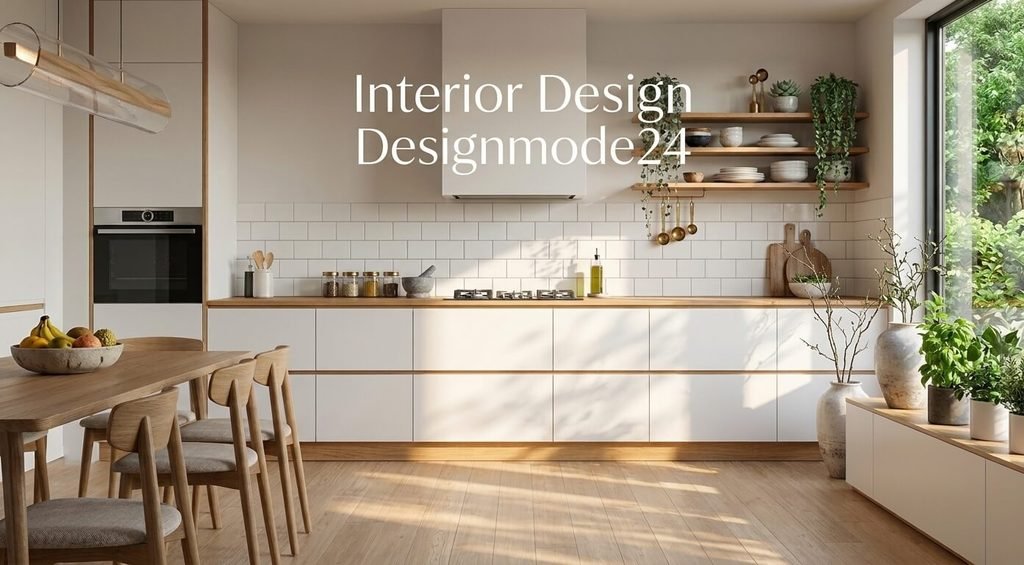
Kitchens need durable surfaces, useful storage, and a layout that supports cooking and cleaning. Deep drawers, pull-out organizers, and accessible pantry shelves make storage easier. Choose countertops for durability, maintenance, and budget. Confirm plumbing, electrical, ventilation, and appliance requirements before changing the layout; qualified professionals should handle specialist work.
Bathrooms need moisture-resistant finishes and good ventilation. Wall-mounted vanities can reveal more floor area, while mirrored cabinets add storage. Choose slip-resistant flooring and ensure waterproofing and drainage are correctly installed.
These practical details are central to designmode24 interior design because a room must work reliably as well as look attractive.
Use Flooring and Wall Finishes With Care
The designmode24 interior design process should consider flooring early because it affects comfort, maintenance, and visual flow. Hardwood and engineered wood add warmth; tile suits many moisture-prone areas; and vinyl or laminate can offer practical alternatives. Compare samples and check guidance on moisture, cleaning, underlay, and subfloor preparation.
Paint is easy to update, while wallpaper, paneling, tile, and textured finishes can add character. Use feature walls selectively so they complement nearby furniture and textiles.
Add Storage and Personal Details
Good designmode24 interior design makes storage part of the original plan. Arrange it around what you own: coats near the entrance, linens near bedrooms, and everyday kitchen items within reach. Built-in cupboards, under-bed drawers, storage benches, and floating shelves use overlooked areas. Add personality with artwork, plants, textiles, and meaningful objects, while leaving some surfaces clear.
A home feels more authentic when its decoration tells a story instead of following every trend.
Consider Sustainability and Long-Term Value
Sustainable choices include LED lighting, efficient appliances, water-saving fixtures, responsibly sourced materials, second-hand furniture, and durable finishes. Repair or update sound furniture when possible. Compare lifetime costs, including installation, maintenance, cleaning, and replacement—not just the purchase price.
Planning and Execution
Having a clear project workflow prevents costly delays and helps you stay on budget.
A Realistic Interior Design Project Checklist
Use this sequence to keep a room makeover organized:
- Define the problem: Identify what is not working and what you want to improve.
- Set a budget: Include materials, labor, delivery, taxes, and a contingency allowance.
- Measure and photograph: Record dimensions and existing conditions.
- Choose priorities: Address layout, storage, lighting, and major surfaces before accessories.
- Compare options: Check samples, specifications, lead times, and installation requirements.
- Plan the work: Confirm trades, deliveries, access, and the order of tasks.
- Review the result: Check finishes, fixtures, doors, drawers, and safety details before signing off.
This simple workflow helps turn your home makeover ideas into a smooth process.
Interior Design Mistakes Worth Avoiding
Avoid these common mistakes when improving your home:
- Ignoring measurements: A beautiful item is not useful if it blocks a walkway or cannot fit through the door.
- Choosing trends over needs: Use trends in replaceable accessories rather than costly permanent finishes.
- Relying on one light source: Different activities require different types of lighting.
- Buying too much too soon: Leave room to understand how the space feels before adding more.
- Overlooking maintenance: Delicate surfaces may be unsuitable for busy households.
- Forgetting ventilation and safety: Kitchens and bathrooms need appropriate extraction, and renovation work may require qualified trades or permits.
A balanced designmode24 interior design plan avoids these problems by considering function, safety, and upkeep from the beginning.
Final Thoughts
A welcoming home is created through a series of considered decisions, not a single expensive purchase. Measure before buying, plan how each room will be used, choose materials that suit your routine, and layer lighting to make spaces comfortable at different times of day.
For readers using designmode24 interior design concepts, the most valuable lesson is to adapt inspiration rather than copy it. Your home has its own dimensions, needs, budget, and character. Use those realities as the starting point, then build a layout that feels cohesive, practical, and personal.
At MyBeautifulHouse.net, the goal is to help you make informed home-improvement choices. Start with one room, solve its biggest functional problem, and let each improvement support the next. A thoughtful plan can make an ordinary space feel more useful, more comfortable, and distinctly yours.
