

A beautiful garden is much more than an eye-catching outdoor feature. It is a peaceful sanctuary where homeowners can unwind, connect with nature, harvest fresh plants, and create a warm, inviting environment for family and friends. Whether you manage an expansive backyard, a compact courtyard, or a modest balcony, applying the right decoradhouse garden tips by decoratoradvice can transform virtually any outdoor footprint into a refreshing green haven. Following decoradhouse garden tips by decoratoradvice allows you to build a living space that seamlessly blends natural beauty with daily functional convenience.
However, cultivating a vibrant, long-lasting garden requires far more than picking bright flowers and watering them occasionally. Healthy soil structure, well-matched plant species, adequate exposure to sunlight, proper irrigation habits, intentional landscape layouts, and ongoing care are all fundamental to achieving long-term gardening success. These decoradhouse garden tips by decoratoradvice ensure that your investment of time and effort yields lasting results across every season.
The core philosophy behind the decoradhouse garden tips by decoratoradvice framework focuses on practical gardening methods that seamlessly fuse aesthetic charm with everyday functional ease. Rather than forcing you into overly rigid or complicated gardening routines, these decoradhouse garden tips by decoratoradvice empower you to make tailored decisions that suit your specific region, available layout, and daily routine.
This comprehensive guide walks you through every crucial stage of building an enviable outdoor retreat—from initial space planning and planting strategies to stylish accessories, smart pest control, seasonal maintenance, and eco-friendly practices. Whether you are taking your very first steps in gardening or looking to refine an existing landscape, these expert decoradhouse garden tips by decoratoradvice will ensure your green space remains resilient, colorful, and flourishing throughout every month of the year.
1. Understand Your Garden Before You Start
One of the most frequent mistakes made by beginners is buying attractive plants before analyzing the actual microclimate of their physical space. Every outdoor plot possesses distinct environmental features, and a thriving layout always begins with careful observation. Applying key decoradhouse garden tips by decoratoradvice at this initial stage prevents costly mistakes later on.
Environmental Factors to Observe
Before making any purchases, thoroughly evaluate the following core elements:
- Sunlight Exposure: Map out which sections receive direct sunlight, filtered shade, or total shade throughout the day.
- Soil Texture: Determine whether your existing soil is sandy, dense clay, or balanced, rich loam.
- Drainage Dynamics: Observe how water flows through the bed after heavy rainfall and where standing pools develop.
- Wind Exposure: Pinpoint exposed zones where strong, persistent winds might damage fragile stems or dry out foliage.
- Growth Boundaries: Always factor in the ultimate mature height and spread of each plant before placing it.
Create a Practical Garden Layout
Before digging up any earth, sketch a basic layout of your outdoor zone. Clearly outline fixed structural features like existing trees, walkways, privacy walls, seating corners, and intended planting beds.
Reflect on your primary lifestyle goals for the space. You might want a vibrant flower retreat, a productive home vegetable patch, a cozy reading nook, or an integrated blend of all three.
Remember to leave sufficient spacing between young nursery plants to guarantee adequate air circulation and space for future development. Following proven decoradhouse garden tips by decoratoradvice, a bed that looks slightly sparse early on will naturally mature into a dense, balanced, and healthy landscape over time.
2. Choose Plants That Match Your Climate
Selecting the right plant choices directly determines how much labor and ongoing care your garden will demand. While delicate exotic species often require exacting temperature controls and daily moisture, local varieties thrive effortlessly with minimal intervention.
A key principle stressed in the decoradhouse garden tips by decoratoradvice system is matching your plant species to your local climatic reality rather than buying purely on impulse based on visual appearance. Implementing decoradhouse garden tips by decoratoradvice helps you pick resilient varieties that look great and require less daily effort.
Select Plants According to Their Purpose
Different plant categories fulfill distinct aesthetic and functional roles across your landscape design:
A. Color and Privacy Elements
Flowering plants inject dynamic seasonal pops of visual excitement and continuous color, while evergreen varieties maintain essential structural green backgrounds during colder months. Ornamental shrubs offer natural privacy barriers, soft boundary edges, and architectural depth.
B. Ground Coverage and Kitchen Uses
Ground covers blanket bare soil patches, suppress stubborn weeds, and retain valuable moisture. Aromatic herbs provide refreshing fragrances while delivering fresh leaves for your kitchen culinary needs. Additionally, shade trees offer vital overhead canopy shade, vertical scale, and enduring environmental beauty.
Consider Native and Climate-Adapted Plants
Varieties indigenous to your local region naturally possess built-in resistance to regional temperature swings and local pests.
For instance, homeowners living in warm regions will find that implementing decoradhouse garden tips by decoratoradvice leads to success with resilient plants like bougainvillea, colorful hibiscus, fragrant jasmine, vibrant marigolds, soothing aloe vera, and various drought-tolerant herbs. These decoradhouse garden tips by decoratoradvice simplify long-term plant selection for any environment.
Even so, exact daily sunlight duration, irrigation access, soil richness, and seasonal temperature swings should always dictate your final selections.
Combine Different Heights and Textures
An attractive layout should never feel flat, overcrowded, or visually chaotic. Position taller background trees or climbing trellises along back walls, position mid-sized shrubs through the center, and blanket front borders with smaller flowering annuals or trailing ground covers. Blending contrasting leaf textures, colorful foliage, and varying bloom cycles creates impressive depth and persistent year-round interest.
3. Build Healthy Soil for Strong Plant Growth
Nourishing, biological soil is the single most important foundation behind every flourishing landscape. Soil serves as the living platform that delivers vital minerals, holds root systems firmly, stores groundwater, and allows healthy root respiration. Even premium, high-grade nursery stock will struggle and decline if placed into nutrient-poor or compacted soil. Following decoradhouse garden tips by decoratoradvice for soil health guarantees long-term plant vitality.
Improve Soil With Organic Matter
Enriching your plant beds with high-quality, fully decomposed organic compost is the single most effective way to rejuvenate poor soil. Incorporating organic matter drastically improves moisture retention in sandy soils while enhancing drainage and aeration in clay-heavy ground.
Depending on your baseline conditions, top amendment options include well-rotted organic compost, shredded dry organic leaf mold, aged composted natural manure, and commercial organic soil conditioners. Never apply fresh manure directly onto active plant beds, as high nitrogen heat can severe roots and introduce unwanted weeds or bacterial pathogens.
Understand Soil pH
Soil pH significantly governs how effectively plant roots absorb primary nutrients from the ground. While acid-loving plants thrive in lower pH conditions, many vegetable crops and ornamental varieties prefer balanced neutral to slightly alkaline soil. Running a basic garden pH test kit will reveal exactly what adjustments are required. Avoid arbitrarily applying garden lime, sulfur, or heavy chemical fertilizers without knowing your baseline soil chemistry first.
Prevent Poor Drainage
Excess standing water starves root systems of essential oxygen, triggering destructive fungal root rot diseases. If rain pooling persists in your yard, resolve those underlying drainage issues prior to planting. Building elevated raised beds, mixing coarse organic amendments, or installing French drains are highly effective techniques highlighted within decoradhouse garden tips by decoratoradvice literature. Applying these decoradhouse garden tips by decoratoradvice protects root systems from waterlogging and root rot.
4. Master the Art of Proper Watering
Irrigation is vital for survival, yet overwatering causes just as much structural root damage as prolonged droughts. Different species demand vastly different moisture levels. Soil composition, atmospheric heat, container dimensions, natural rainfall, and root maturity all dictate your optimal watering schedule.
Water at the Right Time
Early morning remains the absolute best window to water outdoor plant beds. Cooler morning air reduces unnecessary water loss from evaporation while allowing roots to absorb deep hydration before peak afternoon heat hits. Focus your hose nozzle or watering can directly at the soil line surrounding the root base rather than constantly wetting the delicate top foliage.
Check Soil Moisture Before Watering
Avoid relying strictly on rigid calendar schedules for watering. Instead, test root moisture manually using your finger or a reliable moisture meter. If the top two inches of soil feel noticeably damp, hold off on adding more water for a day or two. For small potted setups and raised containers, inspect moisture levels more frequently, as contained potting soils dry out far faster than grounded garden beds.
Consider Drip Irrigation
Drip irrigation networks deliver slow, measured trickles directly to root zones, eliminating unnecessary runoff and water evaporation losses. Following decoradhouse garden tips by decoratoradvice regarding drip irrigation is especially effective for dense vegetable patches, extensive shrub beds, and gardens located in regions where water conservation is an essential priority.
5. Use Mulching to Protect Your Garden
Applying a clean layer of mulch is one of the easiest ways to streamline routine garden care while enhancing overall visual appeal. Spreading an organic barrier over bare topsoil drastically decreases water evaporation rates from root zones, blocks sunlight from reaching weed seeds, and insulates vulnerable root systems against sharp temperature shifts.
By applying these decoradhouse garden tips by decoratoradvice, you also minimize topsoil erosion caused by heavy downpours and gradually enrich topsoil as natural materials break down into nutrients. Popular natural mulch choices include shredded leaf mold, clean wood chips, bark nuggets, and well-composted organic matter. Integrating these decoradhouse garden tips by decoratoradvice keeps garden beds clean and well-nourished.
Apply Mulch Correctly
Distribute mulch uniformly across open plant beds while keeping the material several inches away from direct stem bases and main tree trunks. Maintaining a clean 2 to 3-inch depth is usually ideal. Following proven decoradhouse garden tips by decoratoradvice, this allows vital oxygen exchange while keeping soil root zones comfortably shaded and moist.
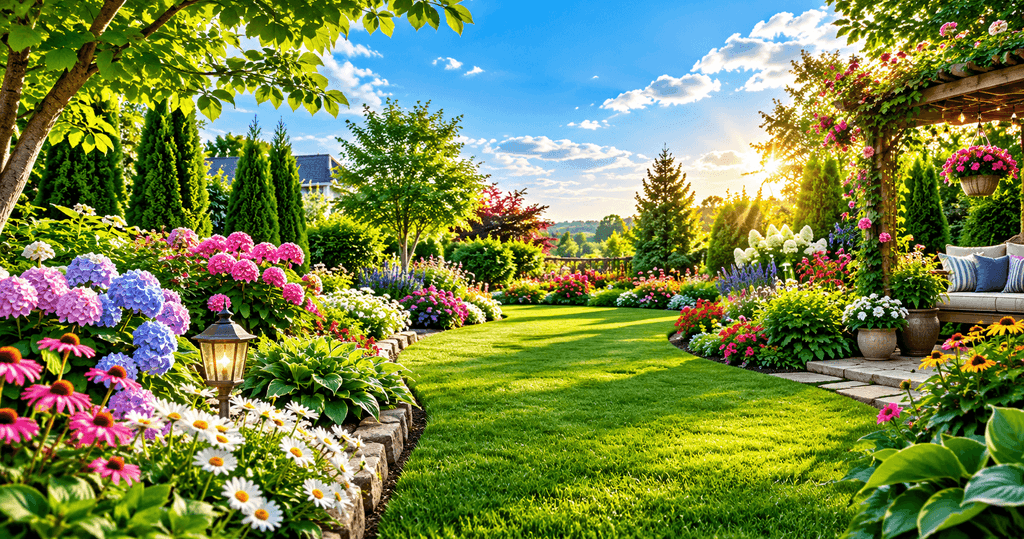
6. Design an Attractive Garden With Simple Landscaping Ideas
A truly captivating garden must strike a harmonious balance between growing vibrant plants and offering a functional, enjoyable space for everyday living. Practical landscaping ties foliage, structural pathways, decorative touches, and living zones into one unified space. Applying decoradhouse garden tips by decoratoradvice encourages homeowners to design inviting outdoor environments without requiring massive construction budgets. These decoradhouse garden tips by decoratoradvice bring structure and elegance to any yard size.
Create Different Garden Zones
Rather than filling your entire plot with open soil, segment your layout into practical, purposeful spaces:
- Color Zone: Dedicated flower beds featuring seasonal blooms.
- Relaxation Nook: A quiet paved or graveled corner reserved for comfortable outdoor seating.
- Kitchen Bed: A convenient herb or vegetable patch placed close to the back door.
- Shaded Retreat: A comfortable canopy zone protected from intense mid-day sun.
- Decorative Focal Point: An accent zone showcasing statement pots, artwork, or water elements.
Establishing clear functional zones naturally makes even complex landscapes feel tidy, well-thought-out, and spacious.
Add Pathways and Natural Borders
Walking paths instantly bring clear structure while preventing heavy foot traffic from compacting moist plant beds. Stepping stones, decomposed granite, clay bricks, or rustic gravel blend effortlessly into virtually any architectural style. Use low edging plants or clean stone borders to create smooth transitions between walking zones and active garden beds.
Introduce Decorative Features
You can easily elevate your landscape’s aesthetic quality by introducing subtle decorative accents, including terracotta and glazed ceramic planters, sturdy wooden or iron vertical trellises, weather-resistant seating benches, warm solar-powered accent lighting, elevated hanging basket displays, gentle bubbling water fountains, and neat timber or stone raised garden beds. Always choose decorative elements that naturally enhance your home’s architectural design rather than cluttering space with disjointed ornaments.
7. Make Small Gardens Look Bigger
A compact spatial footprint should never restrict your creative ambition. Smart design choices allow small balconies, narrow side-yards, and compact townhome patios to feel surprisingly expansive and open.
Try Vertical Gardening
Vertical gardening maximizes unused walls, fences, and post surfaces, expanding your total growing surface without stealing valuable floor area. Incorporate wall-hung planters, hanging pots, trailing vines, and slender wall trellises. Fresh herbs, dwarf flowering species, and cascading succulents excel in vertical arrangements.
Choose Multi-Purpose Plants
Selecting versatile plant options keeps small layouts efficient and functional. For instance, aromatic flowering species provide visual beauty while attracting helpful local pollinators like bees and butterflies. Compact evergreen bushes offer structural background green while acting as subtle natural privacy screens against nearby neighbors.
Keep the Design Simple
Crowding a compact space with dozens of mismatched plant varieties and busy decor items creates visual chaos. Instead, stick to a cohesive color palette, repeat three or four reliable plant species for continuity, and keep main walking areas open and clutter-free. Following these decoradhouse garden tips by decoratoradvice instantly creates an open, tranquil atmosphere. Adopting decoradhouse garden tips by decoratoradvice for compact layouts maximizes visual appeal in tight footprints.
8. Manage Weeds, Pests, and Plant Diseases
Aggressive weeds and unchecked garden pests constantly siphon off essential soil nutrients, clean water, ambient light, and physical growing room. Early intervention is key to keeping these threats under control.
Remove Weeds Regularly
Routinely walk your planting beds and extract unwanted wild plants before they flower and release seeds. Removing young weeds is significantly easier when the underlying soil is slightly moist after watering. Maintaining a fresh mulch layer further minimizes weed outbreaks by blocking sunlight from reaching dormant weed seeds hidden under topsoil.
Identify Common Garden Pests
Aphids, leaf-chewing caterpillars, mealybugs, scale insects, and spider mites regularly target ornamental foliage and edible crops. Keep an eye out for paled, spotty, or yellowing leaves, dark spots or fungal powdery residue, sticky honeydew residues left on upper foliage, distorted or stunted emerging leaves, and visible webs or clustered insects. Be sure to check both the upper surfaces and hidden undersides of leaves during weekly routine inspections.
Use Integrated Pest Management
Integrated Pest Management (IPM) focuses on physical prevention, careful observation, and eco-friendly solutions before turning to harsh chemical sprays. Core practices include clipping away heavily infested foliage, encouraging airflow with proper pruning, welcoming beneficial predatory insects like ladybugs, and applying mild organic insecticidal soaps or neem oil mixtures when necessary. Always apply treatments carefully to safeguard valuable pollinators. Practicing these decoradhouse garden tips by decoratoradvice protects beneficial bugs while handling pests.
9. Prune and Maintain Plants Properly
Strategic pruning maintains desirable architectural shapes, eliminates damaged stems, and stimulates healthy new foliage growth. However, pruning at the wrong seasonal timing can unintentionally reduce seasonal blooms.
Understand When to Prune
Pruning schedules vary according to individual plant flowering cycles. Certain ornamental shrubs set flower buds on old wood produced the previous season, while others bloom exclusively on freshly emerging spring growth. Always double-check your specific plant’s pruning requirements before cutting back heavy branches. Promptly snip off dead, snapped, or diseased stems whenever you spot them, using clean, sharp pruning shears.
Keep Garden Tools in Good Condition
Using clean, well-maintained hand tools prevents the unintentional spread of fungal and bacterial infections between plants. Following standard decoradhouse garden tips by decoratoradvice, a dependable homeowner gardening toolkit should contain sharp bypass hand pruners, durable cushioned gardening gloves, a sturdy hose setup or balanced watering can, a stainless steel hand trowel, a strong hand fork for loosening topsoil, a reliable soil moisture meter, and clean hedge shears for shaping foliage. Sanitize tool blades regularly with rubbing alcohol and store all equipment in a dry garden shed or storage bench after use. Using decoradhouse garden tips by decoratoradvice for equipment upkeep extends tool lifespans significantly.
10. Follow Sustainable Gardening Practices
Adopting eco-friendly habits conserves valuable resources, supports regional wildlife, and minimizes ongoing chemical exposure across your yard. A cornerstone of the decoradhouse garden tips by decoratoradvice approach is prioritizing sustainable techniques that keep your garden resilient, cost-effective, and safe over the long run. Relying on decoradhouse garden tips by decoratoradvice encourages environmentally conscious gardening choices.
Start Composting
Home composting turns household organic food scraps and lawn trimmings into valuable nutrient-rich organic compost. Items ideal for home composting include dry brown leaves, fine twigs, raw vegetable peelings, fruit scraps, plain coffee grounds, crushed eggshells, and clean untreated plant cuttings. Maintain a balanced ratio of dry brown materials to fresh green scraps, turning the heap regularly to ensure sufficient aeration and balanced moisture. Never add meat scraps, dairy, oily cooked foods, or diseased plant clippings to a basic backyard compost bin.
Collect Rainwater Where Appropriate
Installing rainwater barrels captures clean, soft roof runoff for garden irrigation, reducing reliance on municipal water supplies during dry seasons. Keep collection barrels securely covered with fine mesh tops to prevent mosquitoes from breeding in standing water.
Support Bees and Butterflies
Essential pollinators play a crucial role in maintaining healthy local ecosystems and improving yields in edible gardens. Incorporate native flowering species with staggered blooming calendars, provide shallow water dishes filled with pebbles for resting insects, and avoid spraying broad-spectrum chemical pesticides around open blooms.
11. Maintain Your Garden Throughout the Seasons
Gardening tasks naturally shift alongside seasonal weather patterns and changing growth cycles. Following a simple seasonal routine ensures your outdoor space stays resilient year-round. Adopting decoradhouse garden tips by decoratoradvice keeps your landscape balanced during changing weather.
Spring: Prepare for New Growth
Spring is the ideal time to clear accumulated fallen debris, prepare planting beds, and amend soil with fresh mature compost. Inspect all plants for winter frost damage, set out seasonal flowering annuals or vegetables, and check your irrigation equipment to ensure proper water flow.
Summer: Protect Plants From Heat
During hot summer months, primary attention shifts to soil moisture management. Monitor soil dampness closely, apply a protective layer of organic mulch to reduce evaporation, and water during early morning hours. As recommended in decoradhouse garden tips by decoratoradvice, provide temporary shade cloth to sensitive plant species during extreme afternoon heatwaves. Following decoradhouse garden tips by decoratoradvice safeguards young foliage against high afternoon temperatures.
Autumn: Clean and Reorganize
Autumn focuses on garden cleanup and winter preparation. Remove spent annual plants, collect dry fallen leaves for composting, plant spring-blooming bulbs, and inspect paved pathways, wooden containers, and garden structures for needed repairs.
Winter: Protect and Plan
Winter care centers on plant protection and future planning. Shield tender cold-sensitive species from harsh frost, reduce watering frequency as plant growth slows down, clean and sanitize gardening tools, and sketch out new planting layouts and improvements for the upcoming growing season.
12. Common Gardening Mistakes and How to Avoid Them
Even seasoned gardeners make occasional mistakes. Learning how to bypass frequent pitfalls saves time, money, and unnecessary frustration.
- Buying plants without checking light exposure: Always match your plant choices to the actual sunlight duration in your garden rather than purchasing on impulse.
- Following a rigid daily watering schedule: Test the root zone moisture manually before reaching for the hose instead of watering automatically every day.
- Ignoring poor soil quality: Amend your planting beds with rich organic compost prior to setting out new nursery stock.
- Planting too closely together: Always respect the mature height and spread of plants, leaving sufficient space for airflow and growth.
- Over-applying chemical fertilizers: Always follow product instructions and rely on soil test results before applying heavy chemical plant foods.
- Ignoring standing water pools: Investigate and fix underlying soil drainage problems before planting delicate roots.
- Overcrowding space with decor: Maintain a clean, balanced garden structure rather than filling every corner with disjointed garden ornaments.
Applying practical decoradhouse garden tips by decoratoradvice helps you avoid these simple mistakes, resulting in a far more manageable workflow while promoting long-term, vigorous plant growth. Incorporating decoradhouse garden tips by decoratoradvice guarantees that common errors are addressed before they impact plant health.
13. Create a Simple Weekly Garden Care Routine
Consistent, small efforts produce much better results than spending long hours on sporadic, exhausting garden cleanups. Following decoradhouse garden tips by decoratoradvice makes routine upkeep quick and effortless.
A quick 15-minute weekly checklist should include:
- Inspect leaf undersides and stems for early signs of pests or disease.
- Check soil moisture manually before running irrigation systems.
- Pull out small young weeds before they establish deep roots or scatter seed.
- Clear fallen leaves and debris off main walkways and lawn zones.
- Check container drainage holes to ensure excess water flows out freely.
- Prune away yellowing, dead, or damaged stems with clean shears.
- Check hoses, drip lines, and nozzles for leaks or blockages.
Keeping a simple gardening journal to jot down planting dates, bloom timelines, watering adjustments, and insect outbreaks will help you refine your approach season after season.
Frequently Asked Questions (FAQs)
1. What are the best decoradhouse garden tips by decoratoradvice for beginners?
Start small by assessing your garden’s sunlight exposure, soil texture, and drainage capacity. Select easy-to-grow, climate-adapted plants, check root moisture before watering, and perform brief weekly inspections. Begin with a single bed or container display and expand gradually.
2. How can I transform my garden on a budget using decoradhouse garden tips by decoratoradvice?
Make your own rich soil amendment through home composting, propagate new plants from healthy stem cuttings, repurpose sturdy household containers into creative pots, and purchase affordable local species. Simple gravel paths and clean stone borders elevate your layout without expensive landscaping bills.
3. Which plant choices are best for warm climates according to decoradhouse garden tips by decoratoradvice?
Excellent options for sun-drenched regions include resilient bougainvillea, colorful hibiscus, fragrant jasmine, vibrant marigolds, soothing aloe vera, and heat-tolerant herbs. Always double-check individual light and water requirements before planting.
4. How often should I water my outdoor garden beds?
There is no fixed schedule for every plant. Watering frequency depends entirely on individual plant species, soil drainage, ambient temperature, humidity, and container depth. Always test the top few inches of soil moisture manually before watering.
5. How can I manage a garden with limited spatial footprint using decoradhouse garden tips by decoratoradvice?
Utilize vertical wall planters, sturdy climbing trellises, elevated hanging baskets, and compact container pots. Select multi-purpose, dwarf plant varieties and keep your overall design clean to avoid visual clutter.
6. What is the most effective natural method for controlling garden weeds?
Pull young weeds early before they bloom and set seeds, apply a steady 2 to 3-inch layer of organic mulch across open beds, and avoid unnecessarily disturbing soil top layers where dormant seeds rest.
7. How do I make my yard more environmentally friendly with decoradhouse garden tips by decoratoradvice?
Incorporate homemade organic compost, select climate-adapted native plants, practice smart water conservation, welcome beneficial pollinators, and minimize chemical pesticides. Installing safe rainwater collection barrels also reduces tap water reliance.
8. How can I maintain year-round visual appeal in my garden?
Balance evergreen shrubs with seasonal flowering annuals, perennials, and varieties that bloom during different months. Consistent light pruning, balanced soil nourishment, and seasonal garden care ensure your space stays lush year-round. Following core decoradhouse garden tips by decoratoradvice keeps blooms active across different seasons.
Final Thoughts
Creating a captivating, healthy garden is a rewarding journey that grows smoother when you align your care routine with your environment’s natural needs. Achieving impressive landscape results doesn’t require complex construction equipment, expensive designer budgets, or dozens of high-maintenance plant varieties. Applying these decoradhouse garden tips by decoratoradvice consistently will yield impressive results over time.
The most reliable strategy is focusing on foundational essentials: healthy biological soil, climate-adapted plants, correct daily light exposure, and mindful watering habits. Once these basics are in place, adding decorative paths, vertical displays, and eco-friendly practices will naturally turn your yard into a sanctuary. Following proven decoradhouse garden tips by decoratoradvice ensures long-term sustainability.
The primary framework behind decoradhouse garden tips by decoratoradvice blends actionable horticultural techniques with smart, functional outdoor design. By putting these principles into practice, you can cultivate an inviting, sustainable green space that remains effortlessly beautiful and easy to manage season after season. Utilizing decoradhouse garden tips by decoratoradvice gives every homeowner the confidence to design and maintain a beautiful garden year-round.
