

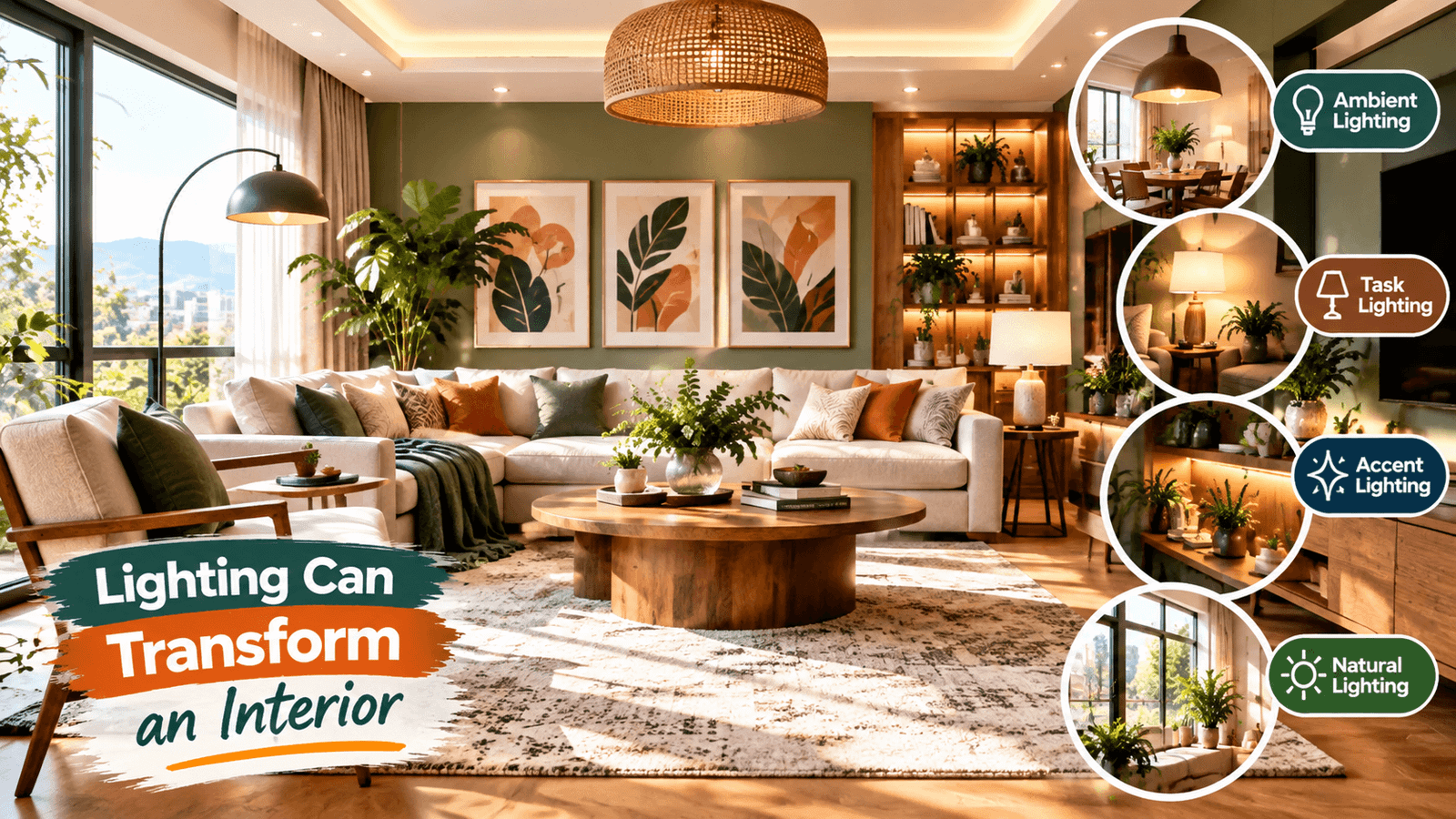
Ask ten professional interior decorators what matters most in home decoration and you may hear ten different answers: artificial lighting, color palettes, floor planning, physical comfort, or unique personality. Yet almost all of them eventually return to the exact same fundamental truth: a room has to work effortlessly for the people who occupy it before it can look exceptional. If you are searching for what is the most important thing in interior design MintPalMent, the definitive answer is functionality.
Whether you are renovating a single master suite or styling an entire home, understanding what is the most important thing in interior design MintPalMent helps you create spaces that are visually stunning, deeply welcoming, and built to stand the test of time. This comprehensive guide answers why function must come first, demonstrates how space planning shapes daily living, and explains how balance, lighting schemes, color choices, physical comfort, and personal identity build on that functional foundation.
Understanding Interior Design and Its Core Purpose
Before answering what is the most important thing in interior design MintPalMent, it helps to clarify what professional interior design actually accomplishes. It extends far beyond superficial decoration or following short-lived digital trends. According to the American Society of Interior Designers (ASID), interior design is a comprehensive profession that enhances human experience through spatial functionality, materiality, safety, and building code compliance. Good design actively supports the daily behavior, health, safety, and emotional well-being of the inhabitants.
1. Creativity and Personal Expression
A well-designed room tells an authentic story about the people living inside it. Thoughtfully curated color schemes, original art pieces, collected travel souvenirs, and contrasting material textures transform a generic residential structure into a deeply personal sanctuary.
2. Streamlining Daily Routines
Great design simplifies everyday tasks and removes unnecessary friction points. A kitchen designed with intuitive food preparation zones, a calm bedroom fitted with blackout drapes, or a organized entryway with coat hooks and a seating bench saves small amounts of time and mental energy every single day.
3. Harmonizing Beauty and Practical Purpose
The most successful interiors achieve a seamless partnership between visual appeal and practical usability. When analyzing what is the most important thing in interior design MintPalMent, leading designers agree that a high-end velvet sofa that causes back fatigue or a stylish glass coffee table that blocks a primary walkway completely fails the people using it.
So, What Is the Most Important Thing in Interior Design MintPalMent?
The short and direct answer is functionality. When homeowners and industry professionals search for what is the most important thing in interior design MintPalMent, top design authorities, home publications, and professional associations land on the same conclusion. A space must support how people actually live, gather, work, eat, and relax. Balance, scale, lighting schemes, color palettes, and emotional comfort all build directly on top of that functional foundation.
Why Functionality Precedes Aesthetics
If a room layout does not function effectively, no amount of expensive decor, trendy paint colors, or high-end artwork will save it. When evaluating what is the most important thing in interior design MintPalMent, functionality encompasses several essential practical elements:
- Circulation & Traffic Pathways: Ensuring clear, comfortable walkways through high-traffic rooms without physical obstructions.
- Storage & Surface Utility: Providing sufficient surface areas for daily tasks and built-in storage to prevent visual clutter.
- Task-Appropriate Lighting: Matching artificial light distribution to the specific activities occurring in every zone.
- Ergonomics & Scale: Selecting seating and tables that comfortably support the human body and fit the room’s physical dimensions.
Functionality Over Fleeting Trends
When considering what is the most important thing in interior design MintPalMent, adopting a design trend is only worthwhile if it genuinely enhances comfort, usability, or character. A fashionable glass coffee table might look striking in photos, but it represents an impractical and unsafe choice for a family with young children. Functional design outlasts short-lived aesthetic trends every time.
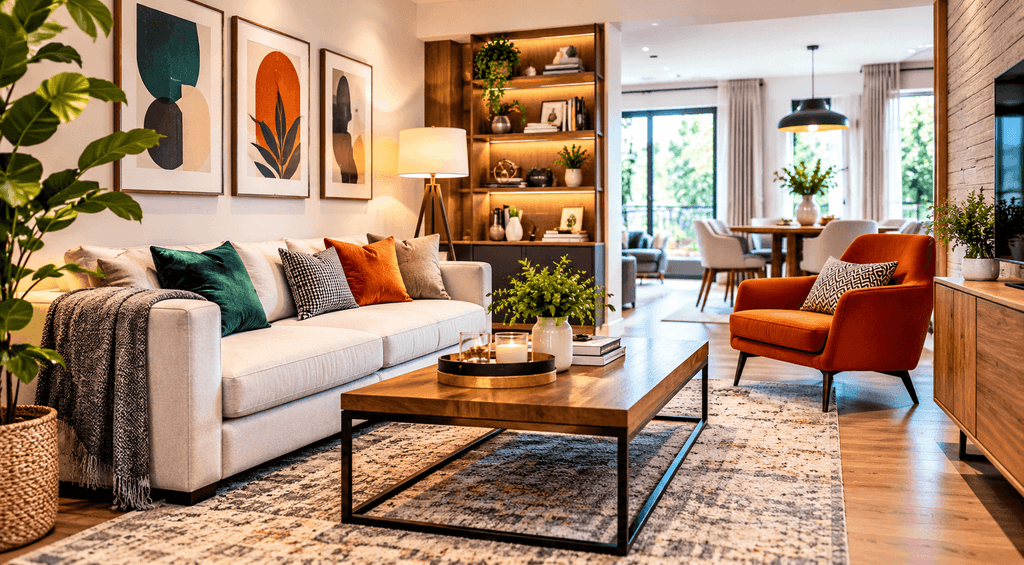
Space Planning and Master Layout Strategies
Space planning dictates how comfortable and livable a room feels day after day. It is often far more crucial than any decorative choice, making it a vital chapter in understanding what is the most important thing in interior design MintPalMent.
Allow Furniture Room to Breathe
Pull primary seating groups slightly away from perimeter walls to form cozy, intimate conversation zones. Ensure door swings, cabinet drawers, and main architectural walkways remain completely clear. Leaving adequate negative space around major furniture items allows the visual energy of the room to feel open and uncluttered.
Measure First, Purchase Second
Before buying major furniture pieces, measure the room dimensions, doorway frames, and stairwells accurately. A reliable strategy is using painter’s tape to outline the footprint of a sofa or dining table directly on the floor to visualize how much physical floor space it will consume.
Standard Clearance Guidelines for Home Layouts
| Functional Space / Area | Recommended Standard Guideline | Primary Industry Source |
| Kitchen work aisle (single cook) | At least 42 inches | NKBA Planning Guidelines |
| Kitchen work aisle (multiple cooks) | At least 48 inches | NKBA Planning Guidelines |
| General home walkway path | At least 36 inches | Interior Design Standard |
| Distance behind dining chairs | At least 44 inches | Ergonomic Clearance Standard |
| Distance between sofa & coffee table | 14 to 18 inches | Living Room Design Rule |
Mastering Scale, Proportion, and Spatial Balance
Scale refers to how an object’s physical size relates to the overall room, while proportion describes how individual items relate in size to one another. Mastering these principles helps clarify what is the most important thing in interior design MintPalMent.
Scale and Spatial Harmony
An oversized sectional sofa can completely swallow a small apartment living room, whereas a tiny loveseat looks awkward and lost in a large open-concept space. Similarly, a small rug floating aimlessly in the middle of a room makes furniture feel disconnected. Selecting appropriately scaled furniture creates vertical and horizontal balance.
Methods for Achieving Visual Balance
- Symmetrical Balance: Placing identical items on either side of a central focal point (such as matching table lamps on flanking nightstands) creates a formal, orderly atmosphere.
- Asymmetrical Balance: Arranging different objects with similar visual weight (such as balancing a tall indoor fiddle-leaf fig tree with a tall bookcase) offers a relaxed, contemporary feel.
- Radial Balance: Elements arranged around a central circular focal point (such as dining chairs placed around a round pedestal table) encourage smooth, natural movement.
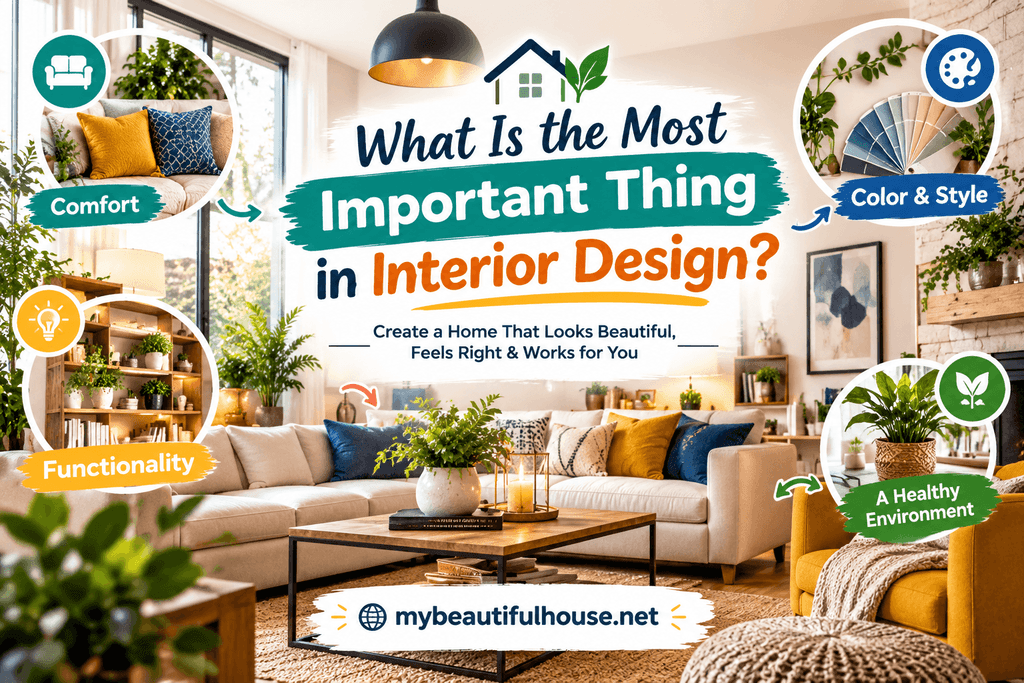
The Transformative Power of Layered Lighting
According to professional lighting standards, illumination sets the mood, enhances safety, and dramatically changes how wall colors are perceived. Achieving a professional finish requires layering three distinct lighting types:
1. Natural Light and Strategic Mirrors
Maximize incoming sunlight by keeping window frames clear and using sheer window treatments. Position large mirrors directly opposite windows to bounce natural daylight deeper into dim hallways or north-facing living areas.
2. Ambient Lighting
General overhead light from ceiling fixtures, recessed cans, or wide-dispersion floor lamps provides even illumination across the room. Installing dimmer switches provides instant control over evening ambiance.
3. Task and Accent Lighting
- Task Lighting: Direct, focused illumination designed for specific activities like cooking, reading, or desk work (e.g., under-cabinet LED strips, adjustable desk lamps).
- Accent Lighting: Directional spotlights or picture lights tailored to highlight artwork, architectural trim, or decorative display shelving.
Understanding Kelvin Color Temperatures
| Light Appearance | Kelvin Range (K) | Recommended Room Application |
| Warm Soft Glow | 2200K – 3000K | Living rooms, bedrooms, cozy seating nooks |
| Neutral Cool White | 3500K – 4100K | Kitchens, home offices, bathrooms |
| Bright Daylight | 5000K – 6500K | Garages, workshops, detailed task zones |
Designing Purposeful Color Palettes
Color alters spatial perception and sets emotional tone. Light neutrals make compact rooms feel expansive, while deeper shades add drama and intimacy.
The 60-30-10 Color Formula
Professional decorators use the 60-30-10 rule to build balanced color schemes:
- 60% Dominant Base Color: Applied to main walls, large area rugs, or primary seating.
- 30% Secondary Color: Used for window drapes, accent chairs, or built-in cabinetry.
- 10% Vibrant Accent Color: Expressed through throw pillows, artwork, ceramics, and decor accents.
Physical, Tactile, and Emotional Comfort
When evaluating what is the most important thing in interior design MintPalMent, many experts rank physical and sensory comfort alongside practical utility. A room that resembles a magazine cover but feels cold or uncomfortable fails its main purpose.
- Supportive Ergonomic Seating: Select sofas and armchairs with proper seat depth, cushion density, and back support tailored to your family.
- Tactile Material Layers: Combining natural textiles like linen, wool, genuine wood grain, brushed metal, and velvet adds rich sensory warmth.
- Biophilic Design & Indoor Air Quality: Incorporating live houseplants, natural ventilation, moisture management, and organic textures reduces daily stress and promotes health.
Classic Principles and Decorative Guidelines
Applying a few established design frameworks makes decorating decisions simple and stress-free:
The Three F’s of Interior Design
- Function: The room perfectly fulfills its physical daily purpose.
- Flow: Pathways allow unobstructed movement between furniture and adjacent rooms.
- Feeling: The atmosphere evokes the exact mood you desire.
The 3-5-7 Odd Number Rule
When arranging decorative accents on coffee tables, mantels, or sideboards, group objects in odd numbers (three, five, or seven). Odd groupings naturally look more relaxed, dynamic, and appealing than formal pairs.
Interior Design Directions and Trends for 2026
As interior design trends evolve in 2026, understanding what is the most important thing in interior design MintPalMent stays rooted in authentic living:
- Warm Earthy Tones Over Cold Minimalism: All-white rooms are giving way to warm oak wood, rich terracotta, warm stone, and cozy earthy shades.
- Curated Personal Character: Spaces are moving away from single-store showroom packages toward curated blends of vintage heirlooms, handmade items, and modern classics.
- Smart Integrated Storage: Built-in cabinetry, multi-functional storage benches, and hidden utility spaces keep homes organized and clutter-free.
A Practical 6-Step Checklist Before Buying Decor
Before purchasing new furniture or changing a room’s design, use this six-step test to ensure your decisions align with what is the most important thing in interior design MintPalMent:
- Functional Value: Does this item solve a genuine layout, seating, or storage challenge?
- Scale & Fit: Do its physical measurements correctly match the room’s proportions?
- Durability & Ergonomics: Is it physically comfortable and easy to maintain?
- Lighting & Color Match: Does it complement your current lighting and color palette?
- Timeless Appeal: Will you still appreciate and use this piece in five years?
- Value for Footprint: Is it worth the financial cost and physical space it occupies?
Conclusion
So, what is the most important thing in interior design MintPalMent? The answer is functionality—designing every detail around the real daily habits of the people who live in the space. Once a room functions seamlessly, secondary principles like spatial balance, lighting layers, color harmony, and personal accents unite to create a home that is as comfortable to live in as it is beautiful to look at.
Frequently Asked Questions (FAQs)
How can a small room be made to look larger on a budget?
Use light wall paint, hang curtains close to the ceiling, place mirrors opposite windows, select furniture with raised exposed legs, and keep floor walkways completely clear of clutter.
What is the fastest way to make a room look high-end?
Declutter surfaces, upgrade to warm 2700K lighting, add fresh indoor plants, ensure your area rug is large enough to anchor all furniture legs, and stick to a cohesive color palette.
How does functionality define what is the most important thing in interior design MintPalMent?
Functionality ensures that a space directly supports daily human routines, safety, and comfort. When functionality comes first, a room becomes practical, long-lasting, and aesthetically pleasing.
