

Technology is changing how people buy, sell, design, and manage their homes. From automated lighting systems to artificial intelligence, digital tools make daily life easier and help buyers make better real estate decisions. Exploring modern technology homerocketrealty provides a clear understanding of these changes and shows how digital innovation improves the modern living experience.
In this comprehensive guide, we will explore smart-home ecosystems, AI property searches, virtual tours, energy management, home security, building technologies, and practical ways to adopt new solutions without unnecessary expense.
1. What Is Modern Technology Homerocketrealty?
The concept of modern technology homerocketrealty refers to the integration of advanced digital tools into residential real estate and everyday property management. These tools help buyers evaluate houses remotely, allow homeowners to manage connected devices effortlessly, and assist real estate professionals with streamlined workflows.
Common examples include:
- Interactive online property databases
- 3D virtual walkthroughs and digital floor plans
- Cloud-based document management and digital signatures
- Automated smart security networks
- App-controlled heating, cooling, and lighting systems
These innovations save time, increase convenience, and provide better control over living spaces. However, their true value depends on choosing the right solutions for your specific lifestyle and property needs.
2. Smart Home Ecosystems for Everyday Convenience
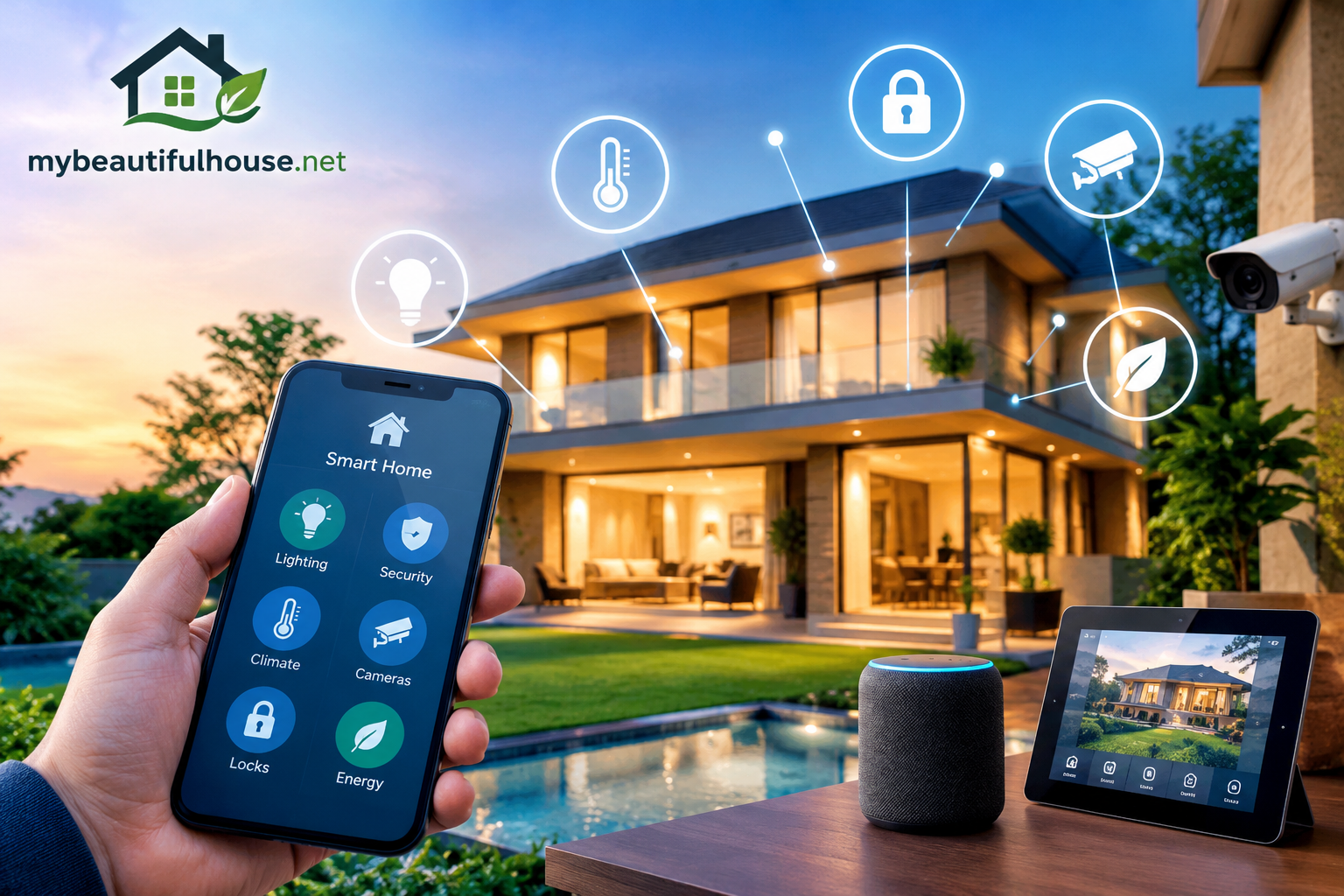
Smart-home devices connect through a local network or a central hub, allowing users to control them using mobile applications or simple voice prompts.
Popular smart-home additions include:
- Smart Lighting: Schedule lights, adjust color temperature, or control brightness remotely (e.g., Philips Hue).
- Smart Locks: Grant temporary access codes to guests or delivery services without physical keys.
- Security Cameras & Doorbells: Monitor entry points live with devices like Ring or Nest.
- Smart Thermostats: Program heating and cooling schedules to match daily routines (e.g., Google Nest Thermostat).
- Voice Assistants: Control connected devices hands-free using platforms like Amazon Alexa or Google Assistant.
- Energy Monitors: Track real-time electricity usage across household appliances.
For instance, a homeowner can configure outdoor lights to illuminate at sunset and turn off at midnight automatically. Understanding modern technology homerocketrealty helps homeowners focus on practical tools rather than accumulating unnecessary gadgets. Start with a single feature that solves an immediate need and expand over time.
3. How Artificial Intelligence Assists Property Buyers
Artificial intelligence (AI) has become an indispensable tool in modern property search engines and real estate evaluation platforms.
AI algorithms analyze large volumes of real estate data to organize listings, compare market prices, answer common buyer questions, and recommend properties tailored to specific buyer preferences. For example, a homebuyer filtering by price range, neighborhood, school districts, and bedroom counts receives highly refined suggestions faster than through traditional searches.
However, AI recommendations should always be validated against official public records and market reports. Physical home inspections and independent professional evaluations remain essential steps before closing any transaction.
4. Virtual Tours and Immersive Property Viewings
Virtual tour technology enables buyers to walk through a property online before scheduling an in-person visit. High-resolution panoramic photos, 360-degree cameras, and interactive 3D spatial models power these virtual walkthroughs.
Key benefits of digital viewings include:
- Spatial Layout Analysis: Understand room flows and architectural dimensions from anywhere.
- Time Efficiency: Narrow down a long list of potential homes without unnecessary travel.
- Convenient Comparisons: Review structural features across multiple properties side by side.
- Targeted Questions: Prepare precise inquiries for real estate agents prior to physical visits.
While virtual viewings provide convenient preliminary assessments, they cannot reveal hidden structural defects, neighborhood noise levels, or ambient odors. Therefore, applying modern technology homerocketrealty principles means pairing digital tours with comprehensive physical inspections.
5. Energy Efficiency and Sustainable Living
Modern digital tools give homeowners clear visibility into their daily energy consumption, highlighting opportunities to reduce waste and lower utility expenses.
Smart electric meters, LED lighting controls, intelligent climate scheduling, and dedicated monitoring systems provide granular insights into electricity usage. When paired with residential solar setups, smart monitors track energy generation, storage levels, and household draw in real time.
For example, an energy monitor might reveal that an older secondary refrigerator consumes excessive power. The homeowner can then decide whether to adjust settings, upgrade to an ENERGY STAR appliance, or change usage patterns. Actual cost savings will depend on climate, equipment quality, local utility rates, and family habits.
6. Digital Safety, Home Security, and Privacy
Connected home systems enhance security through instant mobile alerts and video feeds, but they also require proactive digital safety habits.
When installing connected systems under a modern technology homerocketrealty framework, consider these essential security practices:
- Strong Passwords: Use unique, complex passphrases for all smart home accounts and local Wi-Fi networks.
- Multi-Factor Authentication (MFA): Enable MFA on all connected control apps.
- Firmware Updates: Set smart hub devices and routers to update software automatically.
- Privacy Configurations: Review camera permissions, audio recording settings, and data-sharing preferences.
- Reputable Manufacturers: Choose hardware brands with proven track records for security patches and ongoing support.
- Manual Overrides: Ensure critical systems (such as main door locks) feature traditional key backups during power or internet outages.
7. Building Information Modeling and Construction Tech
Technology is also transforming residential architectural design, site planning, and construction quality management.
Building Information Modeling (BIM) software creates detailed 3D digital representations of home structures before groundbreaking begins. This helps architects, engineers, and builders detect design conflicts, optimize structural layouts, and manage materials efficiently.
Additional site technologies include digital measurement tools, drone inspection services for roofs, and moisture sensors embedded within structural framing. These innovations help build higher-quality homes with fewer construction delays.
8. Evaluating Costs vs. Practical Benefits
Adopting modern technology homerocketrealty solutions requires a balanced financial view. Before purchasing new smart hardware, account for purchase prices, installation labor, replacement batteries, and potential monthly service subscriptions.
| Technology Category | Primary Practical Benefit | Key Factor to Consider |
| Smart Lighting | Remote control & scheduling | Ecosystem compatibility |
| Smart Security | Real-time monitoring & alerts | Network stability & privacy |
| Smart Thermostats | Automated climate schedules | HVAC system compatibility |
| Energy Monitors | Real-time power tracking | Sensor placement & app usability |
| Virtual Tours | Efficient remote property viewing | Requires physical verification |
| Smart Locks | Keyless & temporary access | Manual key backup options |
You do not need to convert your entire living space at once. Investing gradually in features that address real daily needs ensures maximum value for your budget.
9. How to Choose the Right Smart Solutions
Selecting the ideal home automation setup is straightforward when following a step-by-step framework:
- Identify Core Priorities: Determine whether your main goal is home security, reduced energy consumption, or daily convenience.
- Establish a Clear Budget: Include equipment costs, professional installation fees, and software subscriptions.
- Verify Network Compatibility: Confirm that new hardware works seamlessly with existing Wi-Fi networks and control systems (such as Apple HomeKit, Google Home, or Amazon Alexa).
- Inspect Privacy Settings: Verify how manufacturer servers store and handle camera feeds and user logs.
- Plan for Connectivity Outages: Choose devices that offer local physical controls when internet connectivity drops.
- Start Small and Scale: Test a single smart device or hub before investing in complete home automation.
Implementing modern technology homerocketrealty thoughtfully guarantees that your tech upgrades remain reliable, secure, and easy for everyone in the household to operate.
10. Future Trends in Smart Real Estate
Future developments will bring predictive AI assistants, automated load-balancing energy grids, higher-resolution augmented reality (AR) property listings, and deeper integration between residential systems and smart municipal infrastructure.
These upcoming innovations will make buying, managing, and maintaining homes simpler than ever. However, evaluating every new product on practical reliability, transparent privacy policies, and measurable usefulness remains the smartest approach.
Frequently Asked Questions
What does modern technology homerocketrealty encompass?
It includes digital property search tools, 3D virtual tours, AI-driven real estate platforms, automated smart-home devices, energy monitors, and digital construction tools.
Can smart home tech reduce monthly utility bills?
Smart thermostats, automated lighting schedules, and energy monitors can reduce energy waste. However, total savings depend on climate, home insulation, local energy rates, and daily habits.
Do smart devices require an internet connection?
Many smart devices offer local manual controls and offline functions, but remote app features, cloud storage, and mobile notifications generally require an active internet connection.
Does smart technology increase property value?
Popular features like smart thermostats, smart locks, and connected security systems can increase buyer interest, but location, structural condition, and overall market demand remain the primary drivers of property value.
Conclusion
Embracing modern technology homerocketrealty offers exciting opportunities to make living spaces more comfortable, energy-efficient, and secure. Whether through virtual property tours, AI-assisted real estate research, or automated climate control, smart innovations provide tangible benefits when chosen wisely.
By selecting reliable equipment, prioritizing data privacy, and scaling your setup gradually, you can enjoy all the advantages of modern living with complete peace of mind.
