

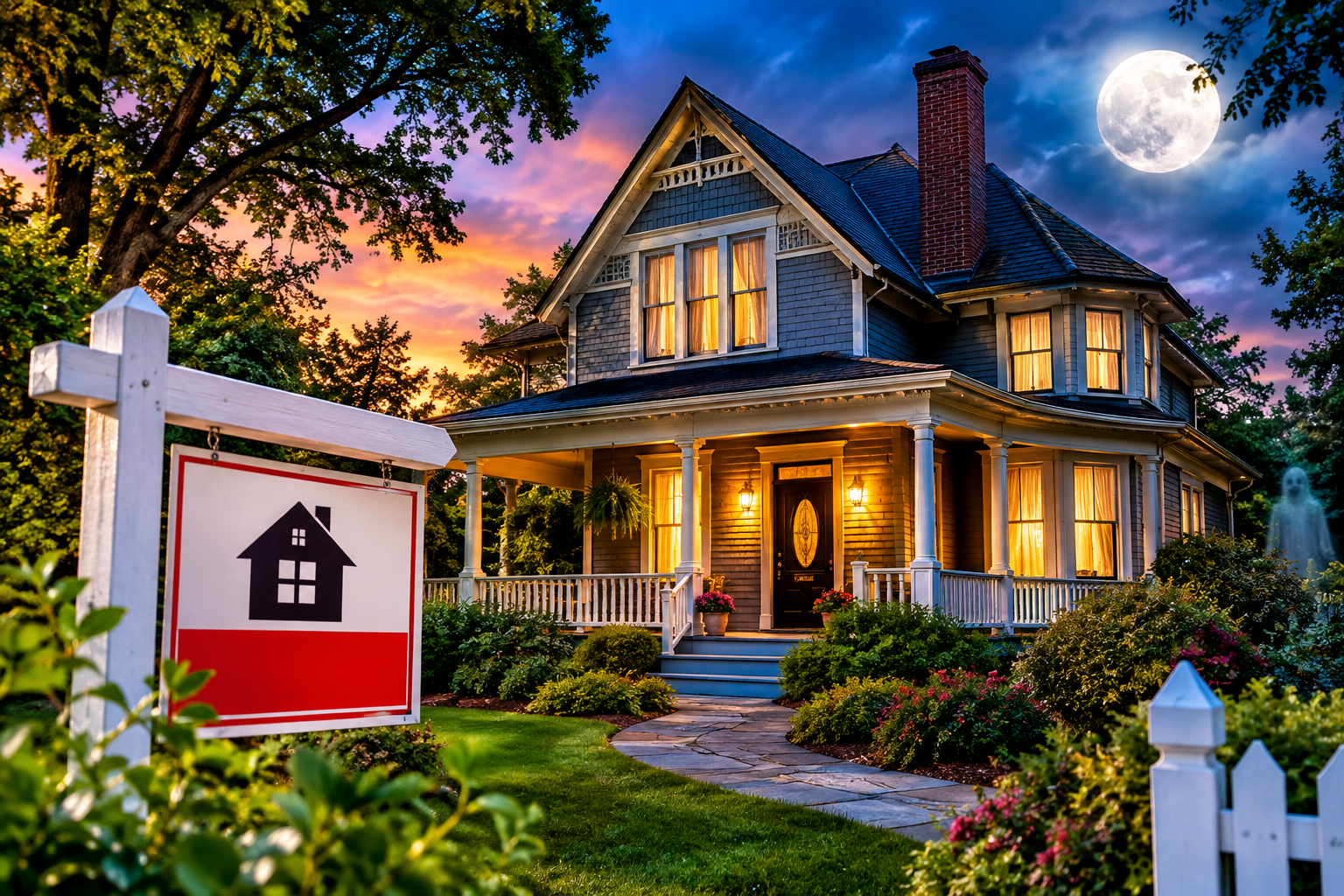
Selling a home is naturally a complex and demanding process, but attempting to sell a property accompanied by a reputation for being haunted introduces an entirely unique layer of challenges. Potential buyers are quick to express concerns over strange noises, unexplained occurrences, the home’s history, and the legal obligations surrounding paranormal disclosures.
If you are currently researching how to sell a haunted house, there is reassuring news: it is entirely achievable with the right strategy. The key to success lies in separating factual history from neighborhood rumors, mastering local disclosure regulations, positioning the home honestly, and maintaining an unwavering focus on the property’s true real estate value.
This comprehensive guide on how to sell a haunted house outlines the exact practical steps you can take to streamline the selling process, clear up buyer misapprehensions, and attract serious, qualified buyers.
What Truly Makes a House Feel “Haunted”?
Before placing your property on the market, it is vital to analyze what people actually mean when they label a house as “haunted.”
In many instances, a property earns this reputation simply because previous occupants experienced unusual sounds, unexplained temperature shifts, erratic electrical issues, or sensations they chose to interpret as paranormal. In other cases, the rumor stems from a decades-old local legend, an exaggerated neighborhood story, or a specific historical event linked to the address.
Crucially, a reputation for being haunted almost never equates to verified, factual activity. When evaluating how to sell a haunted house, your primary job as a seller is to establish a clear line of division between documented facts and subjective beliefs or folklore. Maintaining this distinction is critical when engaging with prospective buyers—presenting unverified stories as established facts can damage your credibility and unnecessarily stall negotiations.
1. Research and Master Your Local Disclosure Laws
One of the absolute foundational steps in understanding how to sell a haunted house is mastering the precise legal disclosure standards enforced in your jurisdiction.
Real estate disclosure laws vary dramatically depending on where the property is located. Certain states and regions strictly mandate that sellers disclose “emotional defects” or “stigmas”—such as a notorious crime, an in-home death, or widely publicized claims of paranormal activity. Other jurisdictions follow a strict caveat emptor (“buyer beware”) approach, requiring disclosures only for physical structural defects like roof leaks or foundation damage.
Because these legal boundaries can be nuanced and carry serious post-sale liabilities, consult with a qualified real estate attorney or a seasoned local broker before drafting your listing.
Be sure to ask your legal counsel the following targeted questions:
- What specific non-physical attributes am I legally required to disclose?
- Does a past death on the property need to be formally declared in writing?
- How do local courts differentiate between unverified claims/rumors and documented events?
- What information can legally remain confidential during negotiations?
- Should disclosures be delivered via a standard seller’s disclosure form or a specialized addendum?
Obtaining unambiguous legal clarity before launching your marketing strategy will protect you from post-closing disputes and buyer litigation.

2. Systematically Separate Fact From Fiction
If your property carries an unsettling reputation, create a clear, two-column inventory separating verified, documented facts from unverified folklore.
- Documented Facts: Events backed by public records, historical archives, police reports, or news articles (e.g., the year the home was built, notable historic owners, or verifiable events).
- Unverified Claims: Stories passed down by former tenants, neighbors, or former buyers that lack official documentation or physical evidence.
This structured approach transforms how you communicate with prospects. Anyone figuring out how to sell a haunted house will find that instead of making broad statements or feeding into dramatic narratives, you can confidently state that while the property carries local folklore, only specific, documented facts are verified. Honest, grounded communication prevents you from alienating buyers who are looking for a straightforward transaction.
3. Partner With the Right Real Estate Agent
Not every real estate professional has the expertise or mindset required to handle a stigmatized property. When working out how to sell a haunted house, you need an agent who sees the challenge as a manageable marketing puzzle rather than an obstacle.
Look for a real estate agent who possesses:
- Proven experience representing unique, historic, or stigmatized homes.
- In-depth knowledge of local disclosure laws and risk management.
- A calm, professional demeanor when answering probing or unusual buyer inquiries.
- Advanced digital marketing skills capable of highlighting property value over drama.
- An objective, strategic approach to positioning the home’s history.
A skilled agent will help you determine whether the home’s background should be addressed proactively in marketing materials, brought up discreetly during direct inquiries, or handled strictly within mandatory legal disclosure paperwork.
4. Keep the Focus on the Home’s Genuine Value
A frequent mistake homeowners make when learning how to sell a haunted house is allowing the paranormal reputation to become the sole defining narrative of the listing. To execute a successful sale, shift the spotlight back to the property’s tangible assets.
Make sure your listing narrative heavily emphasizes:
- Prime Location: Proximity to top-rated schools, transit hubs, dining, and shopping.
- Layout & Scale: Square footage, room counts, floor plan functionality, and storage.
- Architectural Details: Original woodwork, historic craftsmanship, or character-rich design.
- Modern Upgrades: Renovated kitchens, updated bathrooms, or new HVAC systems.
- Outdoor Spaces: Lot size, landscaping, patio setups, and natural lighting.
By giving prime visibility to these high-value features, you ensure buyers evaluate the listing as a comfortable, functional home rather than a novelty attraction.
5. Select the Right Marketing Strategy
Another essential aspect of how to sell a haunted house is determining how much prominence to give the property’s reputation, which depends heavily on your local market conditions, target audience, and legal duties. Consider these three strategic paths:
Strategy A: Traditional Value-First Marketing
Treat the property like any standard listing, focusing exclusively on condition, price, curb appeal, and location. This strategy works best in markets where stigmatized disclosures are not mandatory and appeals directly to practical buyers searching for a quality home.
Strategy B: History and Heritage-Focused Marketing
If the property possesses legitimate historical roots, lean into its architectural vintage and heritage. Distinguish documented history from local legends, attracting buyers who actively seek out historic character and unique design.
Strategy C: Novelty or Niche Marketing
In select competitive markets, a well-known background can serve as a unique selling point that generates massive viral reach and buyer curiosity. However, this route requires extreme transparency, accurate framing, and zero exaggeration to prevent turning serious buyers away.
6. Prepare Calm, Fact-Based Answers for Showings
Buyers who visit a stigmatized property will likely ask direct, uncomfortable questions. Being prepared with clear, non-defensive responses keeps you in control of the narrative.
Prepare concise answers for questions such as:
- Why does the neighborhood claim this house is haunted?
- Have you or recent occupants personally experienced anything unusual?
- Are there documented events associated with the property?
- Is there any structural or environmental cause behind the home’s reputation?
Always answer truthfully based on your direct knowledge. If a claim is unverified, simply state: “That is a popular local rumor, but we have found no documentation or physical evidence to support it during our time here.”
7. Fix Ordinary Maintenance Issues Before Listing
In many cases, a house acquires a “haunted” reputation due to neglected structural or mechanical issues that produce bizarre sights, cold spots, or noises. Resolving these issues is a crucial step for anyone discovering how to sell a haunted house efficiently.
Common culprits include:
- Water Hammering in Pipes: Plumbing pressure issues that cause loud banging inside walls.
- Drafty Enclosures: Poorly insulated windows and doors creating sudden cold drafts or whistling sounds.
- Aging HVAC Units: Heating and cooling ducts expanding and contracting with loud popping sounds.
- Electrical Anomalies: Loose wiring causing lights to flicker or breakers to trip.
Investing in a pre-listing professional home inspection allows you to identify and repair these issues before opening the doors to buyers. Providing an inspection report proving that the “knocking sounds” were merely a loose pipe eliminates fear and restores buyer confidence.
8. Price the Property Realistically
Pricing strategy requires a balanced, data-driven approach. Over-discounting out of fear can cause buyers to suspect severe hidden defects, while overpricing based on historical “novelty” will leave the home sitting on the market indefinitely.
Work with your agent to analyze:
- Recent sales of comparable homes (comps) in the immediate neighborhood.
- Current active listings and local inventory levels.
- Overall physical condition and deferred maintenance.
- Market demand for homes in your specific price tier.
A realistic, competitive asking price positioned right at market value attracts serious buyers who prioritize financial value over local chatter.
9. Ensure Showings Are Bright, Open, and Comfortable
When hosting open houses or private tours, atmosphere plays a major role in buyer perception.
To create a welcoming environment:
- Maximize natural lighting by opening all blinds, drapes, and shades.
- Ensure all interior light fixtures are equipped with high-lumen, warm bulbs.
- Keep the home clean, clutter-free, and well-ventilated.
- Address any dampness or draftiness in basements and attics.
When buyers enter a bright, clean, and cheerful space, any preconceived notions of a dark, eerie property instantly dissipate.
10. Maintain Total Transparency During Negotiations
Once you receive a formal offer, maintain open and clear communication throughout the closing process.
If the buyer raises lingering concerns regarding the home’s history or rumors, handle them professionally through documented disclosures prepared by your agent or attorney. Never make verbal guarantees about unverified claims, and keep all agreements in writing. Full transparency minimizes the risk of buyer’s remorse and ensures a seamless closing.
Can a Stigmatized House Actually Be Easier to Sell?
Surprisingly, yes—it depends entirely on the property, the market, and how the listing is handled. When mastering how to sell a haunted house, sellers often discover that high visibility plays to their advantage.
While a reputation for unusual occurrences may initially intimidate certain buyers, it also grants the property unmatched visibility. A unique background makes a listing memorable in a sea of generic houses, often pulling in niche buyers, investors, or historic home enthusiasts who appreciate a property with a distinctive identity.
The key takeaway for sellers is that not every buyer reacts to rumors in the same way. Some may be hesitant, others will be completely indifferent, and a few may find it charming. Tailoring your approach to appeal to broad, practical market value ensures you reach the right audience regardless of the home’s past.
Final Thoughts
Understanding how to sell a haunted house does not require sensationalizing the story or discounting your home’s true worth. By anchoring your strategy in legal compliance, absolute transparency, proper maintenance, and targeted marketing, you can navigate the transaction smoothly and secure top market value.
At the end of the day, prospective buyers are searching for a solid, well-maintained, and well-priced home. By addressing rumors with facts and focusing on the property’s tangible strengths, you can confidently turn the page and successfully close the sale.

1 Comment
Pingback: 7.Waffle House: Delicious Food & American Tradition